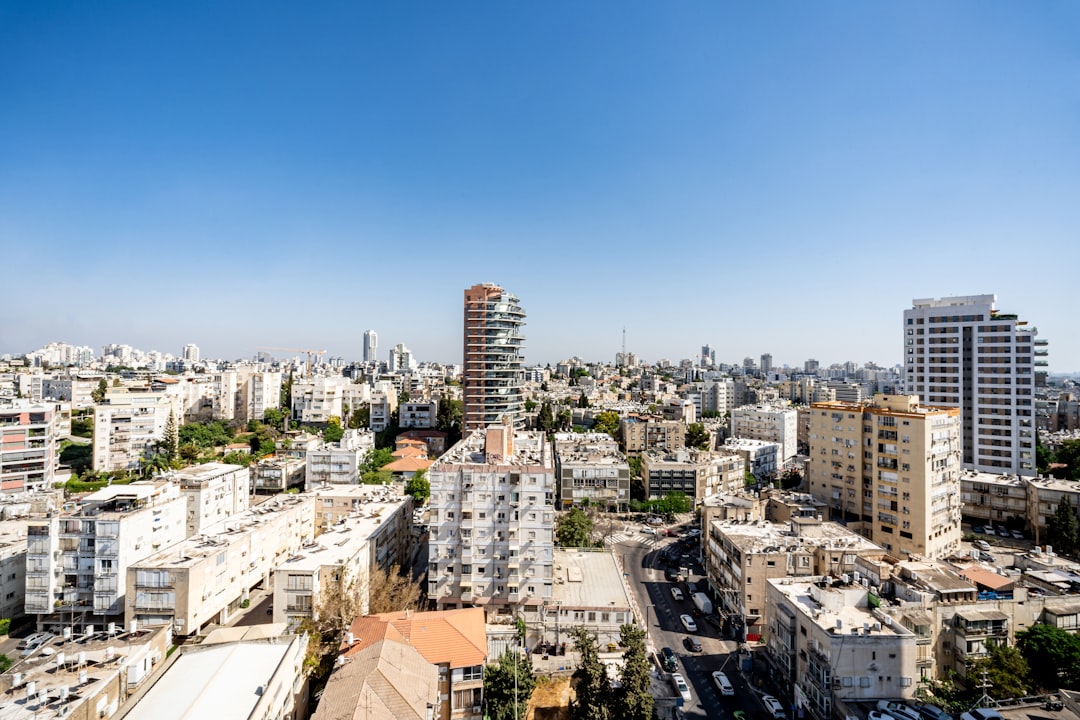
Finding student housing in Tel Aviv is one of those decisions that sounds straightforward until you actually start looking. You need somewhere affordable, close enough to campus that you are not spending three hours a day commuting, with roommates who won’t drive you insane. And if you are an international student, you are navigating this while also figuring out visa requirements, currency conversion, and why everyone seems to have strong opinions about which neighborhood is “the real Tel Aviv.”
Here is the reality: most students do not live in university dorms. Tel Aviv University housing fills up fast, and plenty of students choose the independence and social life of shared apartments anyway. The good news? The city has a thriving student rental market with options at every price point, from budget-friendly shared rooms in working-class neighborhoods to nicer apartments in trendy areas. You just need to know where to look and what questions to ask.
Tel Aviv University does offer on-campus housing, but it is neither the default nor the primary option for most undergraduates. University dorms exist, yes — but they fill up through a lottery system, are limited in capacity, and honestly, many students prefer the independence of living off-campus.
The real reason? Cost and lifestyle. A dorm room through the university runs around 2,500-3,500 NIS per month (roughly $675-950 USD), which is not cheap. More importantly, shared apartments in the right neighborhood can be the same price or cheaper, while giving you actual autonomy. You choose your roommates instead of getting assigned random ones. You are not bound by dorm rules. You can have a life outside the campus bubble.
Plus, living off-campus puts you in the actual city. You are not isolated in student housing on the edge of campus — you are discovering neighborhoods, finding your coffee shop, becoming part of Tel Aviv instead of just studying there.
There are roughly 30,000 students at Tel Aviv University alone, plus thousands more at other institutions like Reichman University. They are scattered across a dozen neighborhoods, each with its own vibe.
Ramat Aviv (the campus neighborhood): This is literally where the university sits, and yes, students live here. It is convenient — your commute is 10 minutes on foot. The downside is exactly that: it feels like student housing. Everyone here is a student. Prices are moderate (2,200-3,200 NIS for a room), and you will find shared apartments specifically marketed to students. If convenience matters more than discovering the city, this works.
Ramat Hasharon (adjacent to campus): Similar to Ramat Aviv but slightly quieter. A little cheaper, a little more residential. Still walkable to campus. Good if you want student housing that is not aggressively social.
Kiryat Shmona / Tel Baruch (south of campus): Suddenly you are in real neighborhoods. These are working-class and mixed areas with a fraction of the student population. Your rent drops to 1,800-2,400 NIS for a room. The bus to campus takes 15 minutes. You are living among young families, artists, and immigrants — which means cheaper coffee shops, real grocery stores, and actual neighborhood character. Many students who want affordability without isolation end up here.
South Tel Aviv (Florentine, Neve Shaanan): This is where students with a bit more budget and a stronger preference for nightlife cluster. These neighborhoods have galleries, bars, restaurants, and energy. Your rent climbs to 2,500-3,500 NIS for a room. The bus to campus takes 25-30 minutes, which is worth it if you want to be in the heart of Tel Aviv’s social scene. Carmel Market is nearby, which matters if you care about good food and street life.
Jaffa: A few bold students live in Jaffa, the ancient port town just south of Tel Aviv. It is genuinely beautiful, cheaper than central areas, with restaurants and history. But the commute is 35-40 minutes, and you are genuinely separated from campus life. This works if you are a second-year student who has already built your friend group and wants more independence.
The equation is always the same: closer to campus means higher rent and less city life. Farther away means cheaper and more neighborhood, but your commute stretches. Most students find their sweet spot somewhere in the middle.
The practical reality of student housing in Tel Aviv is that you will likely be in a shared apartment. A two-bedroom apartment costs 4,500-6,000 NIS; split between two roommates and you are paying 2,250-3,000 NIS. A three-bedroom goes for 5,500-7,500 NIS; three ways and you are at 1,800-2,500 NIS. The math works.
Finding those roommates used to be word-of-mouth and notices on campus bulletin boards. Now it is mostly online, and the process matters because you are living with these people.
Facebook groups are the main resource. Search “TAU Housing” or “Tel Aviv Student Apartments” and you will find active groups where students post available rooms and roommate requests. These groups move fast — good apartments post on Monday morning and have three serious inquiries by Tuesday. You need to respond quickly and be ready to visit.
WhatsApp is also crucial. Landlords and roommates will communicate almost entirely through WhatsApp. Download it if you do not have it, because email will not cut it here.
When you find a potential room, treat the roommate situation seriously. Video call before committing if you are coming from abroad. Ask practical questions: Do they have friends over constantly? How do they feel about shared kitchen space? Are they morning people or night owls? A 30-minute conversation now saves you months of awkwardness.
One underrated move: many students find housing through their university’s housing office or international student programs. These resources maintain lists of student-friendly apartments and vetted landlords. It is less adventurous than hunting on Facebook, but you get some institutional protection if something goes wrong.
Student housing in Tel Aviv is genuinely affordable compared to other major cities, but only if you know what you are getting into.
Your monthly budget for a room should be: 1,800-2,400 NIS if you are prioritizing affordability and willing to commute 20+ minutes. 2,200-2,800 NIS if you want to be closer to campus or in a nicer area. 2,800-3,500 NIS if you want to live in central, social neighborhoods. Anything above 3,500 NIS for a single room is generally a luxury that students do not need.
Leases are usually one year, sometimes with an option to extend. Many landlords will negotiate shorter terms with students (9 months to fit an academic year), but you might pay a premium for that flexibility. Always get something in writing — even a WhatsApp message from the landlord confirming terms is better than nothing.
What you will pay depends on furnishings. A furnished room with a bed, desk, and wardrobe is standard, and honestly it is what you want — you do not want to buy furniture for a year. If a landlord is offering an unfurnished space at a discount, do the math carefully. Buying and reselling furniture will eat into your savings.
Utilities are usually a separate negotiation. Some leases include water and electricity; others do not. Ask explicitly. If they are separate, budget another 200-350 NIS per month split among roommates.
Security deposits are common and legally required. Expect to pay 1-2 months rent as a deposit, which you get back when you move out (assuming no damage). This means budgeting for first month, last month, and deposit upfront — a real hit if you are arriving with limited funds.
Choosing where to live matters for more than just rent. Here is what different student neighborhoods actually feel like.
If you want community: Stay in Ramat Aviv or nearby campus areas. You will know people everywhere. You will run into classmates at the grocery store. There are student events and a built-in social scene. This is valuable if you are new to the country or introverted, but it can also feel cliquish.
If you want authenticity: Look at Kiryat Shmona, Tel Baruch, or Jaffa. You will be living in real neighborhoods with working families, artists, and immigrants. The social scene is not student-focused but richer for it. Rent is cheaper. You actually get to know your neighborhood.
If you want nightlife and restaurants: Neve Shaanan, Florentine, or South Tel Aviv. You are in the part of the city that actually goes out. There are bars, galleries, late-night food spots. You are paying for location and energy. This is where you want to be if you are not burning out on studies and want a full life.
The subtext of neighborhood choice is cultural integration. Live in a student bubble and you experience university life. Live in a real neighborhood and you actually experience Tel Aviv. Neither is wrong — it depends on what you came for.
Student housing markets attract bad actors. Here is what to watch for.
If a landlord will not put anything in writing, keep looking. If they refuse to register you with the municipality (required for legal tenancy), that is a sign they are operating outside proper channels. If they want cash only and no receipt, you have no recourse if something goes wrong.
Be skeptical of apartments that seem too cheap. A room in central Tel Aviv for 1,500 NIS when market is 2,400 NIS? Ask why. Sometimes it is genuinely a student doing their friend a favor. Sometimes it is a landlord with maintenance problems they are hiding.
Always visit in person before committing, even if you are arriving from abroad. Video tours lie. A WhatsApp video can hide a lot. If you cannot visit, ask a friend to scope it out for you.
Get everything in writing: the monthly rent, what is included, the move-in date, the lease term, and the deposit amount. A simple contract protects both you and the landlord. You can ask the landlord to write a short agreement in English if you are not comfortable with Hebrew.
One more thing: verify the address is actually registered to the person claiming to be the landlord. Rental scams exist. If someone is pressuring you to send a deposit before seeing the apartment, that is a scam.
Consider buying renter’s insurance, especially if you are bringing a laptop or other valuable equipment. It is cheap and actually covers theft and damage — something you need as a student in a shared apartment.
If you are an international student, your housing choice has legal implications. Your visa is usually tied to your student status, which means your address matters for registration purposes.
When you rent an apartment, the landlord is supposed to register your tenancy with the municipality. This is free for them and required by law. Many landlords skip this, especially if they are renting multiple rooms illegally. Do not let them. Ask to see confirmation that you are registered. This protects you if there is ever a dispute, and it also protects your visa status.
Some landlords specifically advertise student housing with shortened leases because they know students have limited time. This is fine, but make sure the terms are clear. A 9-month lease that runs September to June works perfectly for an academic year. A month-to-month arrangement gives flexibility but can be riskier for both parties.
Once you have found housing, actually moving is straightforward but has a few steps.
First: confirm everything in writing with your landlord. Exchange WhatsApp numbers, get their email address. In Israel, WhatsApp is the primary communication method — landlords are much more responsive there than email.
Second: sort out your deposit and first month’s rent. Most landlords want this before you get keys. Budget for this carefully. If the apartment costs 2,500 NIS and deposit is 2,500 NIS, you need 5,000 NIS on move-in day.
Third: get your address registered. Ask your landlord for help with this. For international students, you may also need to register with your embassy and update your address with the university.
Fourth: set up utilities and internet. Landlords usually handle water and electricity transfer; you typically need to call the company and give them your move-in date. Internet is a separate contract — the main providers are Bezeq, Hot, and Walla, and speeds are generally good and affordable (200-300 NIS monthly for home internet).
Finally: document the apartment condition on move-in. Take photos or video of any existing damage, cracks, or marks. Share this with your landlord. This protects you when you move out — they cannot claim you damaged something that was already broken.
If you are arriving without furniture, IKEA in Ramat Gan (20 minutes from Tel Aviv) is where students buy beds, desks, and cheap storage. Budget 2,000-3,000 NIS for basic furniture if you are doing an unfurnished apartment. A furnished room saves you this entire hassle.
No, most TAU students live in shared apartments off-campus. University housing fills up through a lottery system and is limited in capacity. Off-campus housing often costs the same or less while offering more independence and a better connection to the city itself.
Budget 1,800-2,400 NIS monthly if you prioritize affordability and do not mind commuting. For closer proximity to campus or nicer neighborhoods, expect 2,200-2,800 NIS. Central, social neighborhoods run 2,800-3,500 NIS per room. These are typical rates for furnished rooms; unfurnished spaces may be cheaper but require buying furniture.
Facebook groups like “TAU Housing” and “Tel Aviv Student Apartments” are the main resource. Landlords and current students post available rooms there constantly. WhatsApp is essential for communication. If you are an international student, your university’s housing office or international student program often maintains lists of vetted, student-friendly apartments too.
Ramat Aviv is closest to campus but feels like student housing. Kiryat Shmona and Tel Baruch are affordable and authentically residential. South Tel Aviv neighborhoods like Florentine and Neve Shaanan have nightlife and restaurants but longer commutes. Check neighborhood safety guides before choosing based on your priorities — proximity to campus, budget, or social scene.
Get everything in writing: rent amount, utilities coverage, lease term, move-in date, and deposit amount. Verify the landlord is registered with the municipality and will register your tenancy — this is required for legal occupancy. Always visit the apartment in person. Ask about internet quality and included furnishings. Take photos on move-in to document existing damage so you do not get blamed when moving out.