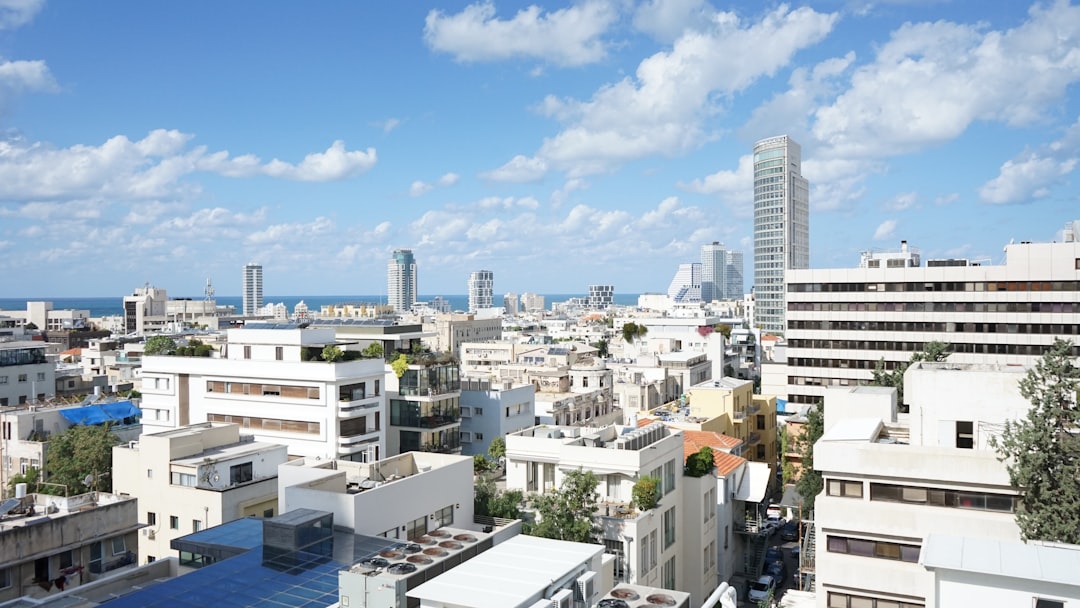
Choosing where to live in Tel Aviv is not just about finding an apartment with good light and a reasonable price. It is about finding a neighborhood that actually fits the life you want to live. The difference between living in Neve Tzedek and living in Dizengoff is the difference between living in two entirely different cities — same skyline, completely different rhythm.
Most people moving to Tel Aviv focus on rent prices first and realize too late that the cheapest apartment in the wrong neighborhood will drain them. This tel Aviv neighborhoods comparison breaks down the real trade-offs: what you get for your money, who actually lives there, what the vibe feels like at 3 a.m., and whether you can walk to coffee without stepping over something concerning.
If you are here to experience Tel Aviv as a city that does not sleep, the beach-adjacent neighborhoods are where that happens. Florentin is the epicenter — formerly a working-class neighborhood that gentrified into something beautiful and deliberately uncouth. Street art covers every wall. Bars spill onto alleys. The weekend starts on Thursday night and does not really end.
Demographically, Florentin skews young (mid-20s to mid-30s), heavily international, and deliberately anti-establishment. You will see more tattoos per square meter than anywhere else in Tel Aviv. Rent runs 2,200-2,800 NIS for a one-bedroom, which is expensive, but you are paying for the location and the scene. The neighborhood has absorbed spillover from more expensive areas, and it has genuinely better value than it did five years ago if you can tolerate noise until 2 a.m. on weeknights.
North Tel Aviv (the neighborhoods around Ramat Hasharon and near the Yarkon Park) attracts a similar demo but with more money and less irony. It is where you go if you want nightlife without the grit — newer bars, better-designed restaurants, and a crowd that changes clothes before going out. Rent is higher here: 2,600-3,200 NIS for a one-bedroom. The neighborhood is genuinely safe, walkable, and the beaches are better maintained. The trade-off is that it feels more polished and less surprising.
Safety in both areas is decent but uneven. Well-lit main streets are fine. Side alleys vary. Police presence is more consistent in North Tel Aviv.
These neighborhoods are where most professionals actually live — the people who work in tech, finance, or creative fields and have realized that they want convenience more than chaos.
Dizengoff is the most famous of these. It sits roughly between downtown and the beach, which makes it central for almost everything. The street itself is pedestrianized, lined with cafes and shops. The neighborhood attracts mixed demographics: young professionals, older couples, families, tourists. It feels intentional in a way that neighborhoods built for something specific do not. Rent averages 2,400-2,900 NIS for a one-bedroom. Safety is excellent. The main complaint is noise from the pedestrian street on weekends and a slight sense of over-curation.
Bograshov is similar but slightly quieter, closer to the beach, and with a more bohemian feel. It has not fully gentrified the way Florentin has, so there is more variety in the housing stock and rent is slightly lower: 2,100-2,700 NIS. The neighborhood is genuinely beautiful, especially near the beach, and the crowd is a good mix of tourists, young professionals, and people who just like living near water. The beach culture here is strong — expect to run into the same people at the coffee shop and the gym.
Ramat Hasharon is the northern extension of this comfort zone. It is where you go if you want the convenience of central Tel Aviv but slightly more space and slightly less chaos. Neighborhoods within Ramat Hasharon vary significantly. The parts near the Yarkon are younger and more vibrant. The parts further east are quieter, more residential. Rent runs 2,000-2,700 NIS depending on which pocket of the neighborhood you choose.
These neighborhoods attract people who moved to Tel Aviv but do not actually want to live like they are in Tel Aviv. They want community, stability, and the ability to hear themselves think after 10 p.m.
Neve Tzedek is the oldest neighborhood in Tel Aviv, meaning it has actual history and character rather than just good branding. The streets are narrow and charming. The demographic is diverse: artists, families, older Israelis, young couples who prioritize quiet. It has more soul than any neighborhood in this comparison, and it is also genuinely getting better — restaurants have improved, infrastructure has been updated, and it is staying weird and intentional rather than turning into a copy of Florentin.
Rent here is actually reasonable: 1,900-2,500 NIS for a one-bedroom. Safety is excellent. The neighborhood has not fully gentrified, which means it is less polished but also less sterile. Many people who live here describe it as the only authentic part of Tel Aviv left, which is both true and not true, depending on your definition of authentic. What is undeniably true is that it is beautiful and quiet and has better value than neighborhoods with similar accessibility to the beach.
Jaffa (Old Jaffa specifically) is even quieter and more eccentric. It is the oldest port city in the Mediterranean, and the neighborhood feels like it. The history of Jaffa spans 4,000 years, and you can feel it in the stone streets and the way light hits the buildings. The demographic skews older, more artistic, and more genuinely bohemian than neighborhoods that merely market themselves that way.
Rent is variable depending on proximity to Old Jaffa proper: 1,700-2,400 NIS. The neighborhood is absolutely safe, though it feels more fragile and less gentrified than Neve Tzedek. This is either its greatest strength or its greatest weakness depending on what you are looking for.
Kirya is the forgotten middle — technically central, generally safe, much quieter than Dizengoff, and significantly cheaper. Rent runs 1,600-2,200 NIS. It is where people live who do not have strong feelings about their neighborhood. There is nothing particularly wrong with it; there is also nothing particularly charming about it. It is useful as a comparison point when you are considering whether you actually want to pay an extra 400 NIS per month for Dizengoff’s vibe or whether you would rather pocket that money.
These neighborhoods are where Tel Aviv is actually changing right now, which makes them interesting to watch and smart to move to if you can tolerate a bit of roughness while things improve.
Carmel Market (Shuk Hacarmel area) is the working heart of Tel Aviv. The market itself is genuinely functional — people go there to buy groceries, not for Instagram. The neighborhood is authentically mixed: ultra-Orthodox families, Arab merchants, young professionals moving in because rent is still low, long-term residents who have been there 30 years. It is genuinely safe despite not feeling polished. Rent is the lowest in central Tel Aviv: 1,400-1,900 NIS for a one-bedroom.
The quality of life here depends entirely on your tolerance for actual chaos and your appreciation for authenticity. If you are looking for manicured quiet, this is not your neighborhood. If you want to actually live in the city rather than a curated version of the city, Carmel Market is underrated.
Betsalel is quieter than Carmel Market but following a similar trajectory. It is still reasonably priced (1,600-2,100 NIS) while being closer to the beach and more residential. It is where you move if you want a neighborhood that is changing toward better but has not finished yet.
Safety in both neighborhoods is good. The perception of safety is sometimes worse than the actual safety, which is partly why rent is low. This is changing quickly as more young professionals discover that you can live here for significantly less money and be just as safe as in Dizengoff.
For people who have either made real money or have family money or are not really worried about either.
Neve Tsahal and the premium pockets of Ramat Hasharon are where rent approaches 3,500+ NIS for a one-bedroom. The demographic is wealthier, older, more established. The neighborhood is beautiful and quiet and genuinely nice, but if you have to ask the price, you probably do not want to live here.
Safety is excellent. Amenities are premium. The neighborhood is well-maintained. The people are generally kind but sometimes live in a version of Tel Aviv that does not quite touch the actual city. If this is your budget, you have earned the right to make this choice. Just understand the trade-off: comfort and quiet in exchange for being slightly removed from what makes Tel Aviv interesting.
Here is the thing that the rent prices alone will not tell you: the best neighborhood for you is not the best neighborhood objectively. It is the one that matches how you actually want to live, not the one that sounds good when you describe it to people.
If you work late and want to walk to dinner at 11 p.m., Florentin or North Tel Aviv makes sense despite the cost and the noise. If you want to run every morning and be near coffee and feel like something is happening without being part of it, Bograshov is probably right. If you want the cheapest rent and do not mind chaos, Carmel Market is objectively the best choice. If you want quiet and character and reasonable price, Neve Tzedek is the move. If you want beachfront vibes and an older crowd, Jaffa works.
The mistake most people make is moving to the neighborhood everyone else is moving to instead of moving to the neighborhood that actually fits their life. Look at where you work, where your friends are, what time you actually go to sleep, and whether you prefer your weekends loud or quiet. Then choose based on that, not on rent price or Instagram potential.
For digital nomads and remote workers considering longer stays, digital nomad apartments in Tel Aviv are available across most of these neighborhoods, often with flexible lease terms that let you try a place for a month and move if it is not working.
Dizengoff, Ramat Hasharon, and Neve Tzedek are consistently rated safest. They have good lighting, regular police presence, and lower rates of street crime. Jaffa and North Tel Aviv are also very safe, though they feel less developed. The cheapest neighborhoods like Carmel Market are actually quite safe despite feeling less polished — the perception of danger is usually higher than the actual danger.
Rent is staying relatively stable in premium neighborhoods (Dizengoff, North Tel Aviv) but slowly increasing in underrated neighborhoods (Carmel Market, Betsalel, Neve Tzedek) as more people discover their value. Short-term rentals are more volatile than long-term leases. If you are planning to stay longer than three months, negotiating for a discount on longer leases is still common practice.
Neve Tzedek and Jaffa are genuinely quiet, especially compared to Florentin or Dizengoff. If you want absolutely silent and are willing to compromise on walkability and nightlife, the eastern parts of Ramat Hasharon or Kirya are even quieter. Neve Tzedek wins the best combination of quiet, character, and reasonable price.
Neve Tzedek, Bograshov, and the quieter pockets of Ramat Hasharon are popular with families. They have good schools nearby, less noise, and still access to beaches and cafes. Some families also choose Jaffa for its character and community, though infrastructure there is less developed. Avoid Florentin if you have young kids unless you are genuinely comfortable with late-night parties.
Yes, especially for leases longer than six months. Landlords often prefer stable, longer-term tenants and will negotiate 5-10% off the asking price. Short-term rentals (under three months) are less negotiable. Always ask if the rent you are quoted is flexible — the worst they can say is no, and many landlords expect the conversation.