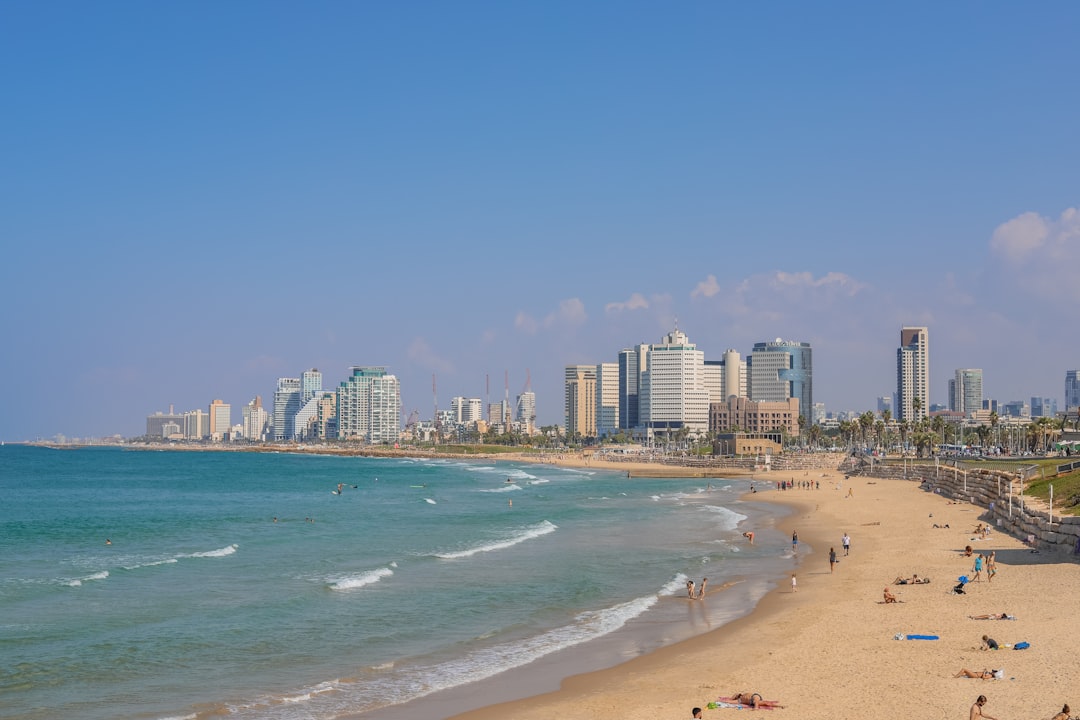
The best time to visit Tel Aviv depends on what you are actually looking for. If you want perfect beach weather and do not mind crowds, summer is your answer. If you prefer lower prices and a more authentic local experience, winter or shoulder seasons might be better. But here is the thing: unlike many destinations, Tel Aviv does not really have a “bad” time to visit. Even the slowest months have 70-degree days and world-class restaurants packed with locals.
The real question is not whether to visit, but when to visit based on your priorities. This guide cuts through the hype and gives you the actual trade-offs: what the weather is really like month by month, when rental prices spike and drop, which events are actually worth planning around, and when you will actually enjoy walking around instead of melting on the beach.
Spring is when Tel Aviv shows off. The Mediterranean is warming up, the days are stretching longer, and the city feels alive in a way that makes residents smile. Temperatures hover between 65-75°F (18-24°C), which means you can actually explore without overheating. The humidity is still reasonable. Pollen can be an issue if you have allergies, but most people do not notice it unless they are particularly sensitive.
This is when the cultural calendar picks up. Passover (usually late March or April) brings both tourists and families back to the city, so expect the beaches to be fuller during that week. But outside the holiday itself, spring is genuinely less crowded than summer and significantly cheaper. A one-bedroom apartment that goes for 4,500 ILS per week in July might run 2,800-3,200 ILS in April.
The real spring advantage is that you get locals back in the city after winter. Cafes reopen their outdoor seating. Weekend beach culture hits differently. If you are planning to visit Tel Aviv for the first time, spring is genuinely the ideal window. You see the city as residents actually experience it, not the summer version filtered through tourist crowds.
Summer is when Tel Aviv becomes a magnet for tourists from across Europe and the Middle East. Temperatures regularly hit 85-95°F (29-35°C), the humidity is thick, and the beaches are so full you will share a patch of sand with strangers. But here is what people do not always mention: summer is also when the city is most alive for nightlife, when every restaurant has rooftop seating, and when the cultural scene is running full-tilt.
Rental prices peak in July and August. You should expect to pay 40-60% more than spring rates for the same apartment. A modest furnished one-bedroom can easily run 5,500-6,500 ILS per week. But hotels also surge, so if you are comparing costs, short-term rentals often remain competitive. Furnished apartments with air conditioning become non-negotiable in summer — this is not aesthetic, it is survival.
The biggest question about summer is whether you actually like crowds. The beach is genuinely packed on weekends. Popular neighborhoods like neighborhoods across the city are thick with tourists. But if you are the type who thrives in energy, who wants to go out every night, who does not mind playing elbows with other visitors, summer delivers that. Just book your rental 2-3 months in advance — availability gets tight.
September is still warm (around 80°F / 27°C) but noticeably less oppressive than August. By October, things have shifted: temperatures settle into the comfortable 70s, humidity drops, and the city exhales. This is when local life resumes. Restaurants are less tourist-driven. The beaches still have swimmers, but you can actually find space. Most importantly, prices drop significantly from summer levels but not as low as winter.
A one-bedroom apartment runs roughly 2,500-3,500 ILS per week depending on exact timing and neighborhood. This is a legitimate sweet spot: you get beautiful weather, lower prices than summer, and the city still has its full calendar of events and openings.
The one caveat: early September can still be humid and warm — hotter than late August some years. If you are heat-sensitive, aim for late September onward. Also note that while September-October are lovely, fewer international tourist facilities are explicitly marketing this window, so there is slightly less information floating around. That actually works in your favor: less crowded hiking spots, easier dinner reservations, a more genuine local feel.
Winter is the most misunderstood season in Tel Aviv. Locals talk about “terrible” winter weather — which usually means temperatures in the high 50s to mid-60s (13-17°C) and occasional rain. If you are coming from anywhere in northern Europe or North America, this is not winter; it is a pleasant autumn day. You can sit outside in a jacket. The beaches are still usable (hardy locals swim year-round). The city is genuinely cheaper.
Rental prices hit their lowest point between January and February: a one-bedroom apartment might go for 1,800-2,500 ILS per week. Hotels also drop significantly. The city itself is less crowded — you will see more locals and fewer tour groups. Museums, galleries, and indoor attractions are more enjoyable because you are not fighting crowds.
The real downside is unpredictability. Some days are gray. Some weeks see actual rain. The sea gets cold enough that swimming becomes a commitment rather than casual. But if you are planning a longer stay and want the best value, winter is genuinely your answer. You trade perfect beach days for lower prices, fewer tourists, and a more authentic view of how Tel Aviv functions when the summer circus packs up.
Several holidays and events shape Tel Aviv’s calendar in ways that directly affect your experience. Passover (spring, exact dates vary year to year) brings local families to the beaches and restaurants, making the city fuller but also more genuinely festive. Shavuot (late May or early June) is less crowded than Passover. Independence Day (late April) brings street fairs and local celebrations — interesting if you want cultural context, neutral if you just want beach time.
The real event to know about is New Year’s and the holiday season in late December. European tourists flood in for Christmas break, prices jump significantly in late December, and then they clear out by January 2nd. If you want to visit in winter for the prices but not the crowds, aim for early January onward.
Summer brings cultural events, concerts, and outdoor film screenings, but these are spread throughout the season rather than concentrated. If you are looking for a specific event (a music festival, a particular artist’s tour), you will find them year-round in Tel Aviv — the city’s cultural calendar is that robust.
Here is what most travelers miss: you save the most money by being flexible about timing, not by booking at the last minute. Rental prices are set months in advance based on seasonal demand. Last-minute bookings sometimes get deals, but it is not reliable. Instead, aim to book 8-12 weeks out during shoulder seasons (spring and fall) and 12-16 weeks out for summer. Winter has less competition, so 6-8 weeks out is often fine.
If you have a budget constraint, aim for September-October or January-February. You get legitimate savings compared to summer while still having acceptable weather. If you want the guaranteed perfect-weather experience and are willing to pay for it, commit to June-August and book far in advance.
One more thing worth knowing: mid-week stays are consistently cheaper than weekends year-round. A Monday-Thursday rental might be 20-30% less than Friday-Sunday for the same property. If you have flexibility, this compounds your savings significantly.
The best time to visit Tel Aviv is when your priorities align with what the season offers. Want perfect beach weather and do not mind paying for it? Go in July or August. Want to experience the city as locals do while saving 40-50% on rentals? Choose April, September, or October. Want the absolute lowest prices and do not mind occasional rain? Winter is unbeatable.
Tel Aviv rewards thoughtful timing. Pick your season based on your actual preferences, not someone else is checklist. That is how you end up with a trip that feels like it was designed specifically for you.
April through May and September through October offer the ideal balance: temperatures between 65-75°F (18-24°C), low humidity, and minimal rain. The sea is warm enough for swimming in these months too. If you want beach conditions specifically, June through September are warmer, but also more crowded and expensive.
January and February offer the lowest prices, with one-bedroom apartments running 1,800-2,500 ILS per week — sometimes 60% cheaper than summer rates. September and October are the second-best value: 2,500-3,500 ILS per week with better weather than winter. Booking mid-week (Monday-Thursday) instead of weekends adds another 20-30% savings year-round.
Yes, summer (June-August) is peak tourist season and beaches are genuinely packed, especially on weekends. But summer is also when the city is most alive for nightlife, dining, and cultural events. If you love energy and do not mind crowds, summer is worth it. If you prefer breathing room, choose spring or fall instead.
Passover (March or April, dates vary) brings local families and can spike prices slightly. Independence Day (late April) has street fairs and celebrations. New Year and Christmas (late December) attract European tourists, so prices rise sharply from mid-December through December 24th, then drop by January 2nd. Most other months are not heavily affected by holidays.
Book 12-16 weeks ahead for summer travel, 8-12 weeks ahead for spring and fall, and 6-8 weeks ahead for winter. Last-minute deals are rare in Tel Aviv — prices are set by season demand, not availability. Booking earlier gives you better selection and pricing across all seasons.