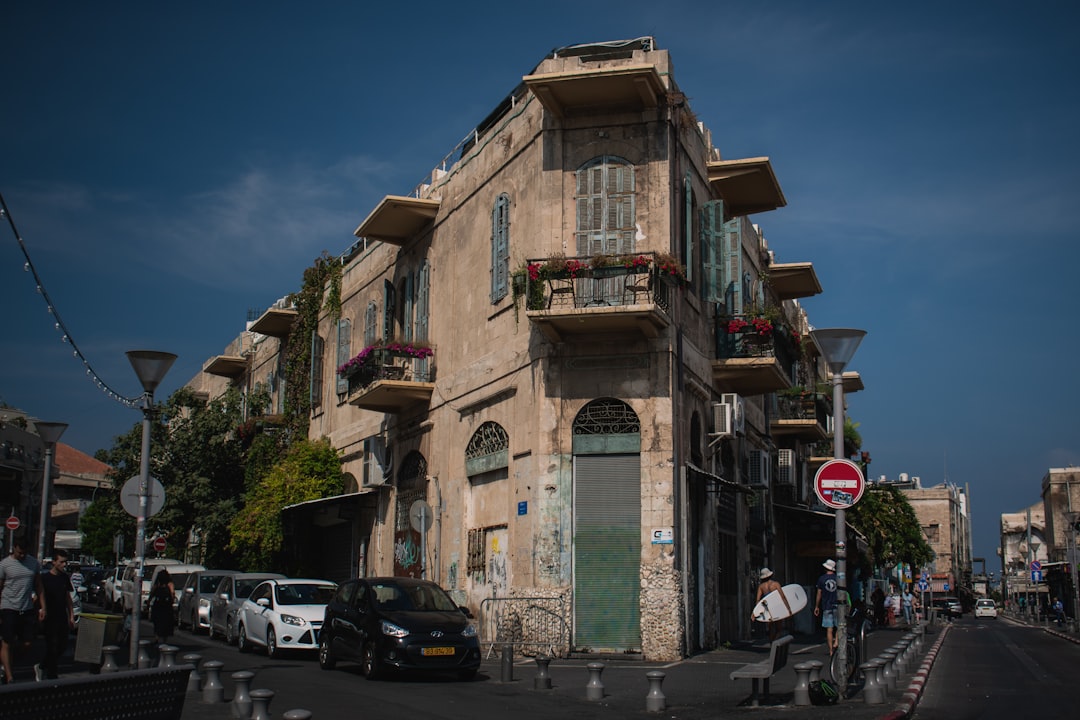
Walk into a Tel Aviv apartment and you will sense something immediately. The light is sharp and golden. The spaces feel both lived-in and intentional. There is a lightness to the air that has nothing to do with open windows and everything to do with design philosophy. Modern apartment design in Tel Aviv is not following trends from Milan or Brooklyn — it is writing its own language, one rooted in 90 years of Bauhaus legacy, tempered by Mediterranean warmth, and refined by the constraints of urban living in a dense, creative city.
This is not minimalism for minimalism’s sake. It is not the cold Nordic aesthetic that has dominated Instagram for the past decade. Tel Aviv’s contemporary interior design approach is something more human, more layered, more honest about how people actually live. And if you are considering renting an apartment here, understanding this aesthetic is not just about decoration — it is about tapping into something that feels distinctly, unmistakably Tel Aviv.
In 1933, when the Nazi regime shut down the Bauhaus school in Berlin, something remarkable happened. Many of its faculty and students fled to Palestine. They brought with them a radical idea: that good design should be functional, beautiful, and accessible to everyone. Not a luxury. A right.
This philosophy sank into Tel Aviv’s bones. You can see it everywhere — in the White City, that UNESCO-protected collection of 4,000 Bauhaus and International Style buildings that forms the heart of the city. Clean lines. Honest materials. No ornament for its own sake. Function first, always.
But here is what modern Tel Aviv designers understand that the original Bauhaus sometimes forgot: beauty and warmth are functions too. They serve a purpose. So contemporary interior design in Tel Aviv rentals takes that Bauhaus foundation — the clarity, the restraint, the belief that every object should earn its place — and softens it. Adds texture. Brings in natural light as a design material. Uses warm woods instead of cold steel.
You will find this in how renters approach their apartments. A statement chair in warm leather. Shelving that is structurally simple but arranged with intention. A rug that grounds a living area. These are not afterthoughts. They are direct descendants of the Bauhaus principle that everyday objects should be well-designed and bring joy to daily life.
Tel Aviv minimalism is not about emptiness. It is about clarity. The difference matters.
Walk through a Tel Aviv neighborhood like Florentin or Neve Tzedek and you will see apartments with whitewashed walls, open shelving, and almost monastic restraint. But then you notice the details. A terracotta pot with a living plant. Warm-toned wood floorboards or concrete that has been polished smooth. A kilim rug in natural fibers. Linen curtains that filter light instead of blocking it.
This is the Mediterranean influence asserting itself. The region has centuries of wisdom about how to live well in heat and light. Open floor plans. Light fabrics. Materials that age beautifully. Plenty of air circulation. Minimalist apartments in Tel Aviv borrow from this tradition, keeping spaces uncluttered while infusing them with warmth and sensory richness.
The color palette reflects this balance. Whites and off-whites dominate, yes. But they are punctuated with warm earth tones — sandy beige, terracotta, soft ochre — and deep accent colors that feel intentional rather than decorative. Charcoal gray. Deep blue-green. A single wall painted in a bold shade, the rest left calm. These are not rooms that feel sterile. They feel restful.
Texture plays a starring role. Concrete that is left raw but carefully finished. Lime plaster. Exposed brick on one accent wall. Woven textiles in natural fibers. Wood that is warm and honey-toned rather than polished to a mirror shine. These materials age, they patina, they develop character. They tell the story of a space actually being lived in.
Tel Aviv gets roughly 300 days of sunshine per year. This is not a detail — it is a design constraint that shapes everything.
Israeli interior design trends have learned to work with this light rather than against it. Windows are large and generously proportioned. Curtains, when present, are sheer or linen — materials that soften harsh afternoon sun without blocking it entirely. Walls are often left unpainted white or off-white, allowing light to bounce and fill the space.
This creates a specific problem for renters: how to control light without heavy drapes? The Tel Aviv solution is elegant. Roller shades in natural materials. Vertical gardens on window sills that diffuse light while adding life. Positioning furniture to work with the light path rather than against it. Some apartments use interior shutters — both functional and beautiful.
The same light-first philosophy shapes how furniture is arranged. Rooms are rarely divided by walls. Instead, you see open-plan living that creates visual continuity. A kitchen flows into a dining area flows into a living room, all one space, all filled with the same quality of light. This makes small apartments feel larger. It also means that every piece of furniture is visible from multiple angles — so everything must be intentional and beautiful.
Vertical space becomes precious. Built-in shelving climbs walls. Lofted beds create sleeping areas in studio apartments without requiring a separate room. Hanging planters bring greenery without consuming floor space. This is design born from constraint, and it has become a defining aesthetic.
If Bauhaus taught Tel Aviv to think functionally, and the Mediterranean taught it to embrace warmth, then a third influence has shaped modern rentals: the climate’s demand for durable, low-maintenance materials.
Concrete is everywhere in contemporary Tel Aviv design. Not polished to a sterile shine, but rather sealed and treated to a warm, matte finish. It appears as flooring, as wall cladding in kitchens and bathrooms, sometimes as a feature wall in a bedroom. Concrete reads as industrial and minimal, but it is also extremely practical in a climate where humidity fluctuates and temperatures soar.
Natural stone — limestone, marble, granite — appears in kitchens and bathrooms. These are materials that have been used in the Mediterranean for millennia because they work. They are cool to the touch (literally and aesthetically). They age beautifully. They require minimal maintenance.
Wood shows up, but it is chosen carefully. Warm-toned hardwoods for flooring. Raw or naturally finished wood for shelving and cabinetry. Never high-gloss finishes — those feel wrong in a space designed around natural light and Mediterranean sensibility. Oiled or matte-finished wood reads as honest and unpretentious.
Textiles are linen, cotton, wool — natural fibers that breathe. A linen sofa in cream or soft gray. Cotton curtains. A wool rug in neutral tones. These materials feel right in a warm climate and age gracefully. A linen sofa that has been sat on for five years and has developed a soft patina reads as lived-in and real, not worn out.
This material honesty is what distinguishes Bauhaus influence in modern Tel Aviv homes from other contemporary design movements. Nothing is pretending to be something it is not. Concrete looks like concrete. Wood looks like wood. There are no high-gloss finishes hiding behind a veneer of perfection. There is just clarity, quality, and materials that will last.
If you want to understand modern Tel Aviv interior design before renting, visiting actual apartments is better than scrolling Instagram.
Neighborhoods matter. Neve Tzedek, the oldest neighborhood, has been gentrified thoughtfully over the past 15 years. Many apartments there balance historic charm with modern minimalism — you will see original tile work alongside contemporary furniture, old stone walls next to whitewashed surfaces. It is a masterclass in respecting history while designing for today.
Florentin is younger, edgier, with apartments that push the aesthetic further. Exposed brick. Raw concrete. More color and pattern. Industrial materials mixed with warmth. It is the same design language but with more personality and less restraint.
The Tel Aviv Port area (Namal) showcases luxury apartments where the minimalist aesthetic gets the full investment — high-end materials, professional styling, perfectly executed light control. It is aspirational design, but it also demonstrates what happens when the Tel Aviv aesthetic is fully realized with unlimited budget.
For the most authentic sense of how this design works in actual rental apartments (not styled show units), walk through neighborhoods where young professionals live. Check out rental listing photos. Notice not just the high-end apartments but the mid-range ones. You will see the same design DNA — the Bauhaus clarity, the Mediterranean warmth, the respect for light and air — interpreted across different budgets and circumstances.
If you are planning to rent, understanding furnished versus unfurnished options becomes important. A furnished modern Tel Aviv rental has been designed by someone who understands this aesthetic. An unfurnished space gives you the canvas — white walls, good light, honest materials — to add your own interpretation.
If you are renting a modern apartment in Tel Aviv, you do not need much to align with the aesthetic. In fact, restraint is the point.
Start with the foundation that is already there: the light, the proportions of the space, the materials. Work with them, not against them. If the apartment has white walls, leave them white. If it has warm wood flooring, let that be the color foundation.
Add pieces intentionally. One good chair. A rug that grounds a seating area. Plants — actual living plants, not decorative objects. Open shelving with books and objects that you actually use, arranged with breathing room between them. A painting or two on the walls, spaced with intention.
Choose textiles in natural colors and materials. Linen, cotton, wool. Warm whites, soft grays, sand tones. If you want accent color, one clear note — a pillow in deep blue-green, a throw in warm rust — but not scattered throughout.
Resist the urge to fill every surface and every corner. The Tel Aviv aesthetic is about what you leave out, not what you put in. An empty shelf is not a failure. A wall with negative space around a single piece of art reads stronger than a gallery wall.
This approach has a practical benefit: it is perfect for renters. You can achieve this aesthetic with minimal changes to the space. You can leave it exactly as you found it when you move out. And if you ever move to another apartment or another city, every piece of furniture and every textile will work in a different space because you chose with intention rather than whimsy.
The Bauhaus school, which fled Nazi Germany to Palestine in 1933, left a permanent mark on Tel Aviv’s design culture. The philosophy emphasizes function first, honest materials, no unnecessary ornament, and the belief that good design should be accessible to everyone. You see this in the clean lines, minimal decoration, and practical approach that defines modern Tel Aviv apartments. It is not cold minimalism — it is minimalism with a purpose.
The design strategy is to work with the light, not against it. Apartments use large windows, sheer or linen curtains that soften rather than block light, and white or off-white walls that bounce light around the space. Furniture is arranged to follow the path of natural light, and vertical space is maximized because floor space is flooded with sun. This makes small apartments feel spacious and bright.
Natural, durable materials dominate: concrete (sealed to a warm finish), natural stone in kitchens and bathrooms, warm-toned hardwood flooring, and raw or matte-finished wood for furniture and shelving. Textiles are linen, cotton, and wool — breathable natural fibers that suit the climate. These materials are chosen for both function and aesthetics, and they age gracefully rather than looking worn out.
Absolutely. The Tel Aviv aesthetic is actually renter-friendly because it relies on restraint and intentional pieces rather than major renovations. Work with the existing white walls and good proportions. Add a few well-chosen pieces — one good chair, a rug, plants, linen textiles. Keep surfaces relatively empty. You can achieve the look with furniture and soft goods that you can take with you when you move.
Neve Tzedek blends historic charm with modern minimalism beautifully. Florentin showcases edgier, younger interpretations with more color and pattern. The Tel Aviv Port (Namal) features luxury apartments that represent the aesthetic fully realized. Walk through these neighborhoods and visit rental listings to see how modern design works at different price points and in real lived-in spaces.