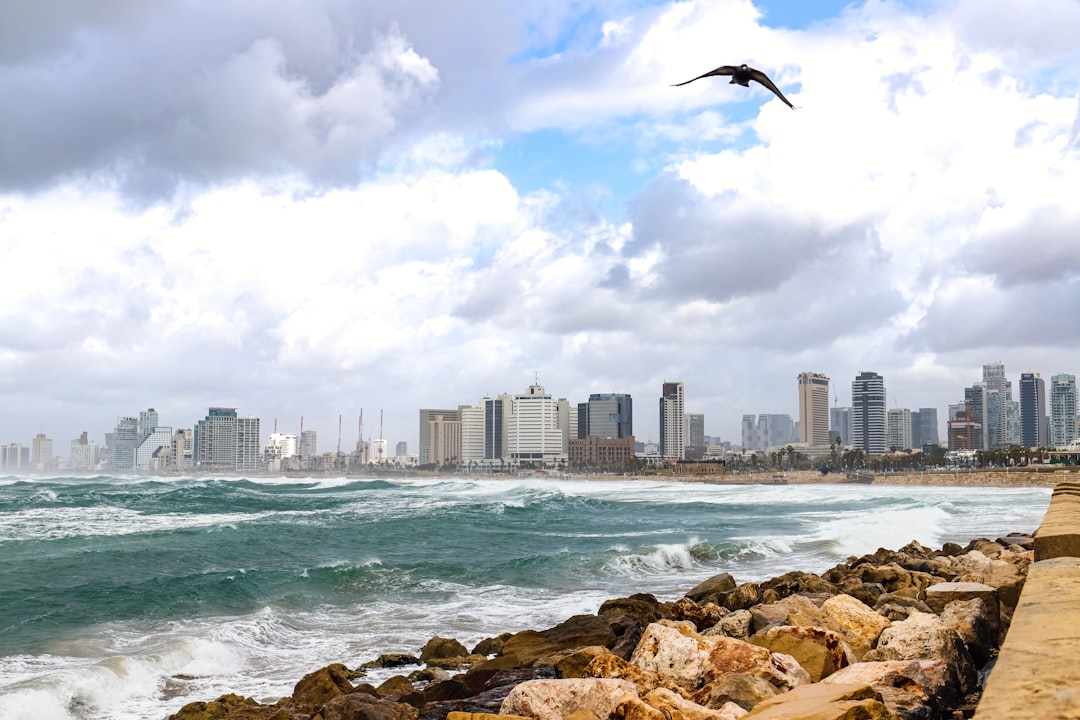
Most people book their Tel Aviv trip based on one thing: when they can get time off work. But if you have even a little flexibility, the best time to visit Tel Aviv depends on what you actually want from the experience. Are you chasing sunshine and energy? Looking to stretch your budget further? Hoping to wander neighborhoods without dodging tour groups? The answer matters — a lot.
The city transforms dramatically across seasons. Winter brings mild weather and half the crowds. Summer delivers endless beach days but also triple the rental prices. Spring and fall offer a sweet spot most travelers miss entirely. This guide cuts through the noise and helps you choose the timing that actually matches your priorities.
June through August is peak season, and you will understand why the moment you arrive. The Mediterranean sun dominates. Beaches pack out by 10 a.m. Every bar, restaurant, and nightclub buzzes with energy. If you want to experience Tel Aviv at its most alive — the rooftop parties, the crowded promenades, the sense that the whole city is one extended celebration — summer delivers.
The catch is brutal for your wallet. Summer apartment rental prices spike 40-60% above the yearly average. A modest one-bedroom that costs $1,200 in November jumps to $1,800-$2,000 in July. Hotels charge similar premiums. Flight prices also trend higher because international tourism peaks precisely when you are planning.
Daytime temperatures hit 28-32°C (82-90°F) consistently, sometimes hotter. The humidity from the Mediterranean makes it feel worse than the numbers suggest. You will spend midday indoors or in the sea, not exploring. Evenings cool slightly, which is when real activity happens — which is great if you are a night person, exhausting if you are not.
Summer makes sense if: you have school holidays and no flexibility, you are chasing peak nightlife and beach culture, or you are coming for a specific event (Gay Pride in June attracts massive crowds). Otherwise, you are paying premium prices for weather that is actually less comfortable for daytime exploration.
December through February feels like a secret most tourists never discover. While Europe freezes, Tel Aviv enjoys 15-20°C (59-68°F) days and sunny skies. It is not beach weather in the traditional sense — water temperature hovers around 16°C (61°F) — but it is genuinely pleasant for walking, exploring, and spending hours in cafes.
Here is what matters for your budget: winter rental prices drop 30-40% compared to summer. That $1,800 summer apartment? You can rent it for $1,100-$1,300. Flight prices typically follow suit. Tourism shrinks noticeably, which means restaurants feel like actual neighborhood spots instead of tourist conveyor belts, and the beaches are yours to explore without crowds.
The trade-off is rain. Tel Aviv gets most of its annual precipitation in these months, with occasional days of steady drizzle. A week of rain is not unusual. But here is the nuance: rain typically comes in bursts, not the relentless gray of northern winters. You will have many clear, sunny days mixed in. Pack a light jacket and waterproof layer, and you adapt easily.
Winter is ideal for extended stays. If you are planning a longer stay as a digital nomad or remote worker, the lower rental rates stretch your budget significantly. The weather supports daily exploration without heat exhaustion. You can actually work from cafes comfortably, which is harder in brutal summer heat.
Spring (March-May) and fall (September-November) are where most seasoned travelers book. Both offer nearly identical advantages: warm but not oppressive weather, manageable crowds, and rental prices that sit between summer highs and winter lows.
Spring brings 20-25°C (68-77°F) weather with increasing sunshine as you move from March toward May. Rainfall tapers off. Gardens bloom. The entire city feels like it is shaking off winter lethargy. Spring also means you are past the worst of the winter rain but before summer’s intensity — a real goldilocks window.
Fall mirrors this in reverse. September is still warm (26-28°C or 79-82°F), while October and November cool gradually to 20-23°C (68-73°F). The summer crowds thin out in September, but beaches remain swimmable and inviting. By November, you have shoulder season pricing with genuinely pleasant weather.
Shoulder season apartments typically rent for 15-25% less than peak summer. You get better availability, negotiating power with landlords, and the sense that you are experiencing the city as locals do, not as part of a tourist migration. For budget-conscious travelers with moderate flexibility, spring and fall are the obvious play.
One timing note: avoid the weeks around Passover (March-April, varies yearly) and Jewish New Year (September-October, varies yearly). Hotels raise prices, and the city becomes more crowded during these holidays. Check the Hebrew calendar before booking.
Beyond seasonal timing, a few moves reliably lower what you pay. Book accommodations directly with owners rather than through platforms when possible — you often get 10-15% discounts plus flexibility. Landlords prefer longer-term bookings, so if you can commit to two weeks or a month, you have leverage even in peak season.
Arrive mid-week and leave mid-week. The price jumps for Thursday-Sunday stays because that is when travelers cluster. A Wednesday arrival means cheaper rates, fewer crowds, and the restaurants at their best. Similarly, July is peak summer, but late June or early August deliver 20% better prices with nearly identical weather.
Consider staying in neighborhoods slightly outside the beachfront premium zones. Ramat Gan, Givatayim, or central Tel Aviv neighborhoods are 15-20 minutes from the beach by public transit and rent 20-30% cheaper. You sacrifice direct beach access but gain authentic neighborhoods and real savings.
If remote work is an option, winter-to-spring transitions (February-March) are golden. Landlords want to fill units as tourism softens, and you can negotiate month-long rates that are shockingly affordable. A three-month winter stay might cost less than a two-week summer visit.
Summer is for beaches, nightlife, and outdoor events. The entire cultural calendar centers on evening activities to avoid heat. Music festivals, open-air cinema, rooftop bars — summer is sensory overload in the best way. This is also when international restaurants expand outdoor seating, and the city feels most cosmopolitan.
Winter is for museums, galleries, markets, and long cafe sessions. Jaffa’s history comes alive when you can spend hours wandering ancient streets without melting. Indoor spaces — the Tel Aviv Museum of Art, design galleries, covered market sections — become actual hangouts instead of cooling-off points. Winter food culture also shines; hot foods, wine bars, and restaurant culture peak when weather drives people inside.
Spring brings outdoor markets, rooftop brunches, and a city-wide energy as people rediscover streets and plazas. Fall mirrors this but with a more measured, less frantic pace. Both seasons support the kind of day-long exploration where you actually enjoy the experience instead of rushing between shaded spots.
Choose summer if you have no flexibility and want peak energy. Choose winter if budget is your priority and you do not mind occasional rain. Choose spring or fall if you want the best balance of weather, crowds, and pricing. All four seasons deliver authentic Tel Aviv — they just deliver different versions of it.
The travelers who report the best experiences are almost always those who chose their timing intentionally, not by accident. A week in February costs less, feels less crowded, and somehow feels more real than a week in July. That is worth planning around.
Absolutely. Winter is 15-20°C with plenty of sunny days mixed in with occasional rain. It is perfect for walking and exploring neighborhoods, though you will not be swimming. The real win is that crowds thin dramatically and rental prices drop 30-40%, making it the best value season by far.
November through February offer the lowest prices, with January and February being absolute rock bottom for rentals. Late August and early September also drop in price as summer tourism peaks end. Book mid-week rather than weekends for additional savings across any season.
June through August is peak season with the heaviest crowds, especially July. You will also see spikes around major Jewish holidays (Passover in spring, New Year in fall) and Gay Pride in June. If avoiding crowds matters, winter and early spring are your best bets.
Technically yes, but water temperature is around 16°C (61°F), which is cold. Most people skip swimming in winter. If you absolutely must swim, March and November are warmer (18-20°C) than December-February. Summer water temps reach 25-27°C, making actual beach swimming pleasant.
Winter apartments run 30-40% less than peak summer. Shoulder seasons (spring and fall) are 15-25% cheaper. On top of seasonal discounts, booking directly with owners and committing to longer stays can add another 10-15% savings. Extended winter stays offer the best overall value.