Tel Aviv, often called “The White City,” is a bustling urban center on Israel’s Mediterranean coast. Founded just over a century ago, it has transformed from a small sand dune settlement into one of the most dynamic cities in the Middle East. This remarkable story of vision, resilience, and rapid growth continues to shape its identity today.
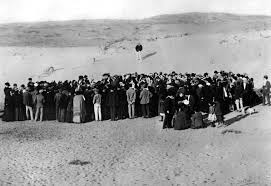
The story begins on April 11, 1909, when 66 Jewish families gathered on the sand dunes north of Jaffa. This historic event, known as the “Lottery of Seashells,” involved drawing lots to allocate plots of land. The founders aimed to create a new urban area that offered better living conditions than the overcrowded and unsanitary conditions in Jaffa. They dreamed of a modern Hebrew city that would become a beacon of Jewish renewal.
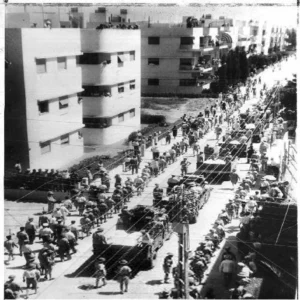
In the decades that followed, Tel Aviv grew steadily, attracting residents and expanding its boundaries. The 1920s and 1930s brought significant growth as Jewish immigrants arrived from Europe, fleeing persecution and seeking new opportunities. These newcomers brought with them cultural knowledge and intellectual talent that would transform the city. They established cultural institutions and developed the vibrant urban life that still defines Tel Aviv’s character today.
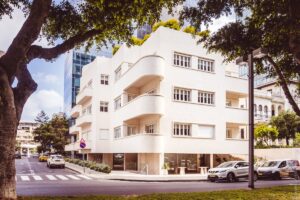
One defining feature of Tel Aviv’s landscape is its Bauhaus architecture. German Jewish architects who immigrated during the 1930s introduced this modernist style to the city. Today, Tel Aviv is home to over 4,000 Bauhaus buildings, characterized by their simplicity, functionality, and clean lines. This architectural heritage became so distinctive that UNESCO designated Tel Aviv a World Heritage Site in 2003, recognizing its unique contribution to modern urban design.
Tel Aviv’s early economy was built on small-scale commerce and artisan trades. That changed in 1936 with the establishment of the Tel Aviv Port—a turning point for the city’s economic independence. Jewish merchants could now conduct trade without relying on the Arab-controlled Jaffa Port, a crucial advantage when access to Jaffa became restricted during the Arab revolt. This port became essential to Tel Aviv’s survival and prosperity.
After Israel’s independence in 1948, Tel Aviv experienced rapid expansion. The city became the economic and cultural heart of the new nation, attracting businesses, artists, and intellectuals from around the world. Major highways were constructed, public services expanded, and investment poured in—all of which reinforced Tel Aviv’s position as Israel’s primary urban center. This era also shaped the distinctive Tel Aviv lifestyle, blending Mediterranean ease with urban sophistication.
The late 20th century transformed Tel Aviv into something entirely new: a global technology powerhouse. The city earned its nickname “Silicon Wadi” as startups and tech companies flourished there. Companies like Waze, Mobileye, and ICQ were founded in Tel Aviv, drawing international attention and attracting venture capital firms and multinational corporations. This concentration of tech talent and innovation reshaped Tel Aviv’s identity as a 21st-century metropolis competing on the world stage.
Beyond business, Tel Aviv has become a major cultural destination. The city is a hub of pop culture and creativity, home to world-class institutions like the Tel Aviv Museum of Art, the Eretz Israel Museum, and the Habima Theatre. These venues showcase the city’s diverse heritage and contemporary artistic vision, attracting millions of visitors annually.
The Mediterranean coastline adds another dimension to Tel Aviv’s appeal. Popular beaches like Gordon, Frishman, and Banana Beach draw locals and tourists for swimming, sunbathing, and water sports. The city’s nightlife is equally famous—bars, clubs, and restaurants line the shoreline and streets, offering experiences for every taste. For those looking for more than rest, Tel Aviv delivers an active vacation combining beach culture with urban energy.
Tel Aviv’s calendar is packed with major events. The Tel Aviv Pride Parade stands as one of the world’s largest LGBTQ+ celebrations, while the International Film Festival draws cinephiles and filmmakers globally. These events reflect Tel Aviv’s progressive values and its role as a center of contemporary culture in the Middle East.
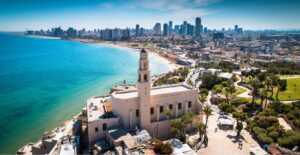
From a lottery on sand dunes to a global metropolis, Tel Aviv’s journey spans just over a century. What began as a dream of 66 families has become a city of over 400,000 residents, each contributing to its evolving story. The city continues to reinvent itself—balancing preservation of its Bauhaus heritage with cutting-edge innovation, honoring its past while building its future. For visitors and residents alike, Tel Aviv remains a testament to what vision, determination, and creative energy can achieve.
Tel Aviv was founded on April 11, 1909, when 66 Jewish families gathered on sand dunes north of Jaffa and drew lots to allocate land plots. This event, known as the “Lottery of Seashells,” marked the beginning of what would become Israel’s most dynamic city.
Tel Aviv earned this nickname because of its iconic Bauhaus architecture. Over 4,000 buildings feature the characteristic white-washed facades and modernist design style that define the city’s skyline, leading UNESCO to designate it a World Heritage Site in 2003.
After Israel’s independence in 1948, Tel Aviv developed into a center for innovation and entrepreneurship. By the late 20th century, companies like Waze, Mobileye, and ICQ were founded there, earning the city its “Silicon Wadi” reputation and making it a global technology powerhouse.
Established in 1936, the Tel Aviv Port was crucial for economic independence. It allowed Jewish merchants to conduct trade without relying on the Arab-controlled Jaffa Port, especially during the Arab revolt when access to Jaffa was restricted.
The city hosts world-class venues including the Tel Aviv Museum of Art, the Eretz Israel Museum, and the Habima Theatre. Major events like the Tel Aviv Pride Parade and International Film Festival reflect the city’s progressive values and its role as a center of contemporary culture in the Middle East.