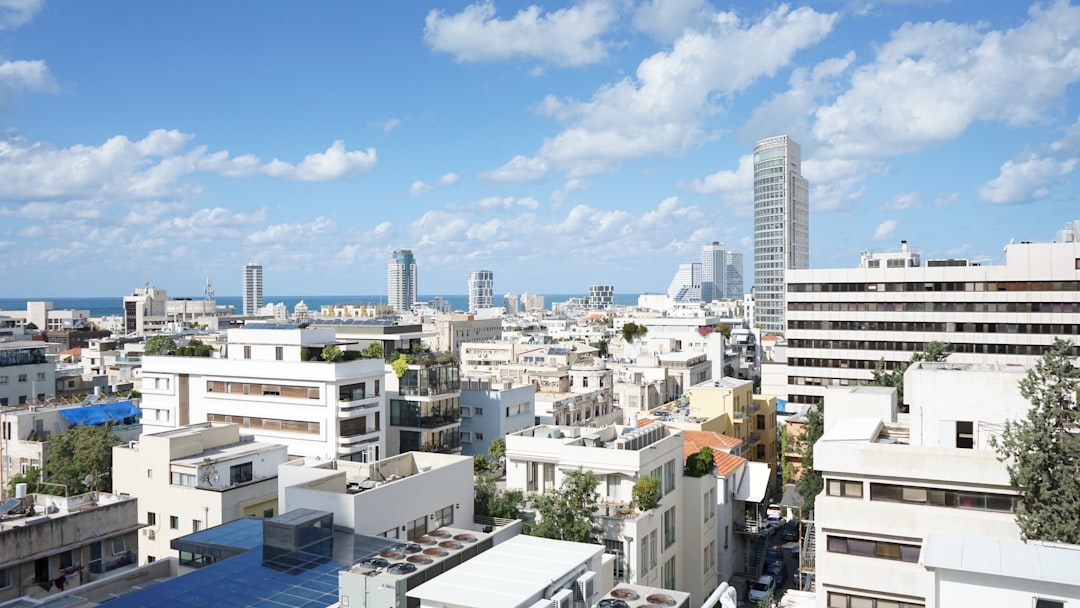
Walk into Neve Tzedek Tel Aviv and something shifts. The streets narrow. The noise softens. Galleries spill onto cobblestone alleyways, street art blooms on every corner, and the smell of fresh coffee drifts from hole-in-the-wall cafés where locals sit with sketchbooks and laptops for hours. This is not the Tel Aviv of skyscrapers and beachfront bars—though you can reach those in ten minutes. This is the beating heart of the city’s creative soul.
Neve Tzedek is Tel Aviv’s oldest neighborhood, founded in 1887, and it has spent the last century perfecting the art of being exactly what artists, writers, and wanderers are looking for. It is the reason people come back to this city. It is also why, if you are planning to stay here, you need to understand what makes it tick.
Most neighborhoods happen by accident. Neve Tzedek happened on purpose—but not in the way planners intended.
When the neighborhood was built in the late 1800s, it was the first planned Jewish neighborhood outside the Old City. But instead of becoming a wealthy enclave, it became home to working families, immigrants, and people with big ideas and small budgets. That combination—affordable real estate plus a community of makers—created something almost magical. By the 1980s and 90s, when young artists needed cheap studio space, they came here. Galleries followed. Restaurants opened. The neighborhood found its identity not through marketing, but through authenticity.
Today, that authenticity is still the dominant currency. Yes, Neve Tzedek has gentrified. Prices have climbed. But the bohemian DNA remains. You cannot walk two blocks without seeing a gallery, a sculpture, a mural that makes you stop and look twice.
When you are looking for furnished apartments or vacation rentals in Neve Tzedek, you have distinct advantages over hotels. You get a neighborhood address—a real one, where you can grab coffee at the same café twice and start recognizing faces. You get a kitchen to cook in, time to wander without purpose, and the kind of immersion that hotels promise but never quite deliver.
The neighborhood breaks naturally into several micro-districts, each with a different energy.
Nahum Gutman Street and the Gallery Heart is the epicenter—narrow, charming, lined with galleries, boutiques, and cafés. Staying here means you wake up in the action. Studios and apartments cluster on this street and the alleys branching from it. The tradeoff: noise, especially weekend evenings, and limited privacy. If you love being in the mix, this is your zone.
Shabazi Street is the bohemian backbone—longer, slightly less precious, mixing residential with galleries, restaurants, and vintage shops. This is where locals actually live alongside tourists. Apartments here offer better value and genuine neighborhood texture. The pace is slower than Nahum Gutman, but you are still plugged in.
The Residential Streets (Rokach, Eilat, Meir Dizengoff) are quieter, more residential, sometimes a ten-minute walk from the main action. Furnished apartments here tend to be larger, cheaper, and filled with actual Neve Tzedek residents. You sacrifice some walkability to the tourist infrastructure, but you gain peace and authentic neighborhood life. Good if you are staying a week or more.
The Waterfront Edge (toward HaTikva and the beach) is the emerging zone—newer developments, still finding identity, cheaper than the gallery core but less developed. Good for travelers who want Neve Tzedek’s proximity without the full artsy immersion.
When booking a furnished apartment, look for places that mention the specific street. Shabazi or Nahum Gutman gives you instant context. Ask the host about neighborhood noise levels—some tourists love the weekend street culture, others flee. It matters.
Neve Tzedek has a reputation for being Instagram-beautiful, which means some visitors arrive, photograph the alleyways, and leave. That is tragic. The real experience lives in the everyday rituals.
Spend a morning as a regular. Pick a café—maybe Cafe Noir on Shabazi, or one of the tiny places tucked on Nahum Gutman—and sit with a coffee for two hours. Watch the gallery owners open their doors. See the artists moving between studios. This is how you understand the neighborhood. Time is the point, not efficiency.
Walk without a map. Get lost in the alleyways. Neve Tzedek is small enough that you cannot really get lost, but it is easy enough to miss entire galleries and courtyards if you stick to main streets. Some of the best discoveries—a sculpture garden, a pop-up studio, a street musician—happen when you turn left instead of right.
Go to a gallery opening. Neve Tzedek galleries constantly host exhibitions and opening nights. These are often free, casual, and filled with the actual people who create the neighborhood. Check event listings or ask your host where something is happening. This is where tourists become part of the story instead of observers of it.
Eat where locals eat. Neve Tzedek has some acclaimed restaurants—Michalak, Beit Ovadia, Nahum Gutman Museum Café—but the real food lives in small places: Itzik Hagadol for schnitzel, Mesila for Mediterranean food, Lilith for late-night shakshuka. Most of these places have seven tables and one person cooking. That is the point. Reservations help, but show up and try anyway. This is Tel Aviv’s approach to hospitality.
Time your visit to street culture. Neve Tzedek really comes alive Thursday night through Sunday. Friday (Shabbat) quiets down—many businesses close—but the neighborhood takes on a different, more meditative energy if you like that. Weekday mornings are the neighborhood at work: galleries professional, cafés serious. Each has its charm.
Neve Tzedek is tiny—roughly 0.4 square kilometers—so walkability is not a question. Everything is within a fifteen-minute walk. The real question is proximity to the rest of Tel Aviv.
To the beach: five minutes walking, downhill. This is not an accident. Many residents walk to the beach for an evening swim and then return for dinner. It is one of the neighborhood’s secret superpowers.
To downtown and business district: ten minutes by bus (lines 10 or 25), or fifteen minutes walking uphill. Doable if you do not mind the incline.
To nightlife districts (Florentin, Rothschild): fifteen-minute walk or short bus ride. The neighborhoods feed each other.
Parking is limited and stressful. If you have a rental car, park it and forget about it. The neighborhood is designed for walking and buses. Taxis and Gett (local ride-sharing) are abundant and cheap.
Groceries and daily needs: two small supermarkets, one excellent fruit market (Shuq Tzfon), and a dozen small shops scattered throughout. You will not find a massive supermarket nearby—that is by design. Walk to what you need. That is the neighborhood culture.
Neve Tzedek is not for everyone, and pretending it is would be a disservice.
It is loud on weekends. Not traffic loud, but human loud—people on the streets, galleries bustling, bars spilling onto sidewalks until late. If you need silence, pick a residential side street and accept that you are slightly removed from the action. Or pick a different neighborhood altogether.
It is expensive compared to other Tel Aviv neighborhoods. You are paying for location, vibe, and the privilege of being in the creative epicenter. Furnished apartments here run higher than equivalents in Florentin or Kikar Meumenet. This is the modern reality of cool neighborhoods everywhere.
It is not beach-adjacent—it is close to the beach, but you do not roll out of bed into the sand. If your vacation centers entirely on swimming and sunbathing, consider Jaffa (south) or areas closer to the seafront.
It is very walkable but on hills. The neighborhood has elevation changes. Not a problem for most people, but mention it if stairs are an issue.
All of this said: if you want to experience what Tel Aviv actually is—not what postcards sell, but what artists and writers and creators have built—Neve Tzedek is non-negotiable. The furnished apartments and vacation rentals here offer a kind of immersion you cannot get from a hotel. You do not just visit; you temporarily belong.
Neve Tzedek is known as Tel Aviv’s bohemian creative heart—galleries, street art, independent cafés, and a strong arts community. It is the oldest neighborhood in Tel Aviv (founded 1887) and has become the epicenter of the city’s artistic and cultural scene. If you come to Tel Aviv for authenticity and creativity rather than beaches and nightclubs, you come here.
For high-end dining, try Michalak or Beit Ovadia. But the real neighborhood experience comes from smaller places: Itzik Hagadol for schnitzel, Mesila for Mediterranean food, or Lilith for late-night shakshuka. Most have seven tables and one passionate cook. Go early or get a reservation, but do not miss these places if you want to eat like locals actually do.
Neve Tzedek is extremely walkable—the whole neighborhood covers just 0.4 square kilometers. The beach is about five minutes downhill from most parts of the neighborhood, which is one of its hidden advantages. Many residents walk to the beach for an evening swim and then return for dinner without thinking twice about it.
Neve Tzedek apartments and rentals are competitively priced with mid-range hotels, but more spacious and give you kitchen access and neighborhood immersion. The real benefit is not cost—it is experience. You get a residential address, time to become a regular at local cafés, and the kind of authentic neighborhood life that no hotel room provides, even expensive ones.
Thursday night through Sunday is when the neighborhood comes alive with galleries opening, street culture thriving, and restaurants full. Friday (Shabbat) is quieter but has a meditative quality if that appeals to you. Weekday mornings show you the neighborhood at work. October through April offers pleasant weather; June through August is hot and many locals leave, though prices drop and crowds thin.