Jaffa is one of the oldest port cities in the world, with a history spanning over 4,000 years. Its strategic location on the eastern Mediterranean coast made it a crucial hub for trade and cultural exchange throughout the ages. From biblical times through the Crusades, Ottoman rule, and into modern Israel, Jaffa’s story reflects the turbulent yet resilient nature of the Middle East itself.
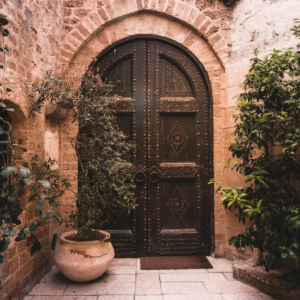
Jaffa holds a prominent place in ancient texts and biblical accounts. According to scripture, it was from Jaffa that Jonah set sail before his famous encounter with the great fish. The city also features in the stories of Solomon, who used Jaffa’s port to receive cedar trees from Lebanon for the construction of the First Temple in Jerusalem.
In classical antiquity, Jaffa came under the control of various empires, including the Egyptians, Canaanites, and Phoenicians. The city’s importance persisted through the Hellenistic period and into the Roman era, where it served as a vital seaport for the entire region.
During the Crusades, Jaffa became a significant point of contention. The city was captured by the Crusaders in 1099, transforming it into an essential stronghold in the Holy Land. Richard the Lionheart famously fortified the city during the Third Crusade. However, Jaffa changed hands repeatedly between the Crusaders and Muslim forces led by legendary figures such as Saladin. In 1268, the Mamluk Sultan Baibars destroyed Jaffa to prevent its use by Crusaders, though the city was later rebuilt and continued its role as an important trading post.
Jaffa flourished during the Ottoman period, which began in the 16th century. It became an important economic center due to its port, which facilitated trade with Europe and the Middle East. The city’s population grew significantly, creating a melting pot of cultures where Muslims, Christians, and Jews lived side by side. In the 19th century, Jaffa experienced remarkable development with the construction of new roads and expansion of port facilities. The city’s economy thrived on the export of Jaffa oranges, which became world-famous and were shipped to Europe and beyond.
The early 20th century saw increasing tensions between the Jewish and Arab populations of Jaffa. In 1909, a group of Jewish families founded the neighboring city of Tel Aviv, initially conceived as a suburb of Jaffa. Over time, Tel Aviv grew rapidly, eventually overshadowing Jaffa in terms of economic and cultural influence.
During the 1920s and 1930s, Jaffa became a focal point of Arab resistance against Jewish immigration. The tensions culminated in the 1947–1948 Civil War in Mandatory Palestine. During this turbulent period, Jaffa was blockaded and bombarded by the Haganah, leading to the exodus of much of its Arab population. After the establishment of the State of Israel in 1948, Jaffa was merged with Tel Aviv, forming the Tel Aviv-Yafo municipality.
In recent decades, Jaffa has undergone substantial gentrification and redevelopment. The city’s historic core has been carefully restored, and it has become a vibrant center for tourism, arts, and culture. Iconic landmarks such as the Jaffa Clock Tower, St. Peter’s Church, and the ancient port continue to draw visitors from around the world. The city is home to numerous museums and galleries, including the Ilana Goor Museum and the Jaffa Museum of Antiquities, which showcase its historical and artistic heritage.
The cultural blend of Jaffa is also evident in its culinary scene, with a variety of restaurants offering Middle Eastern, Mediterranean, and international cuisine. The famous Jaffa Flea Market (Shuk HaPishpeshim) attracts locals and tourists alike, offering an eclectic mix of antiques, crafts, and modern boutiques.
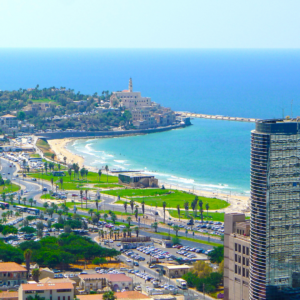
Jaffa’s ability to preserve its heritage while embracing modernity makes it a unique and captivating destination. For further reading on Jaffa’s history, consider exploring works like “Jaffa: A City in Evolution” by Ruth Kark and “The Streets of Old Jaffa” by Ron Havilio, which provide deeper insights into the city’s past and present. If you’re interested in exploring Jaffa’s neighborhoods today, discover short-term rentals in Jaffa for an authentic experience of this historic port city.
How old is Jaffa? Jaffa is one of the oldest port cities in the world, with a documented history stretching back over 4,000 years. Its strategic location on the Mediterranean coast made it a crucial hub for trade and cultural exchange throughout ancient times.
What is Jaffa known for historically? Jaffa is known as an ancient Mediterranean port city, appearing in biblical texts, serving as a Crusader stronghold, and later becoming famous for exporting Jaffa oranges to Europe. Today, it’s recognized for its historic landmarks, diverse cultural heritage, and vibrant arts scene.
When did Tel Aviv merge with Jaffa? Tel Aviv merged with Jaffa in 1948 after the establishment of the State of Israel, forming the Tel Aviv-Yafo municipality. This integration significantly changed Jaffa’s demographics and urban landscape while efforts were made to preserve its historical heritage.
What are the main historical periods of Jaffa? Jaffa’s history spans ancient origins (4,000+ years), biblical and classical antiquity, the Middle Ages during the Crusades, the Ottoman era, the 20th century tensions leading to modern Israel, and contemporary gentrification as a cultural and tourism center.