The first decision most visitors make when planning a Tel Aviv trip is not what to see—it’s where to stay. And that choice matters far more than most people realize. Your neighborhood determines whether you’re walking to the beach in five minutes or taking the bus in twenty. It shapes whether your evenings happen in quiet cafes or electric bars. It changes whether you’re surrounded by backpackers, families, or locals who barely register tourists at all.
The good news: Tel Aviv is small enough that no neighborhood feels truly isolated. The bad news: that means a mediocre choice still works, which means many first-timers miss the neighborhood that would have been perfect for them. Where to stay in Tel Aviv depends almost entirely on what kind of traveler you are—and most people never ask themselves that question before booking.
This guide walks you through the neighborhoods that actually matter for tourists, with the specific tradeoffs each one makes. By the end, you will know exactly which district fits your trip.
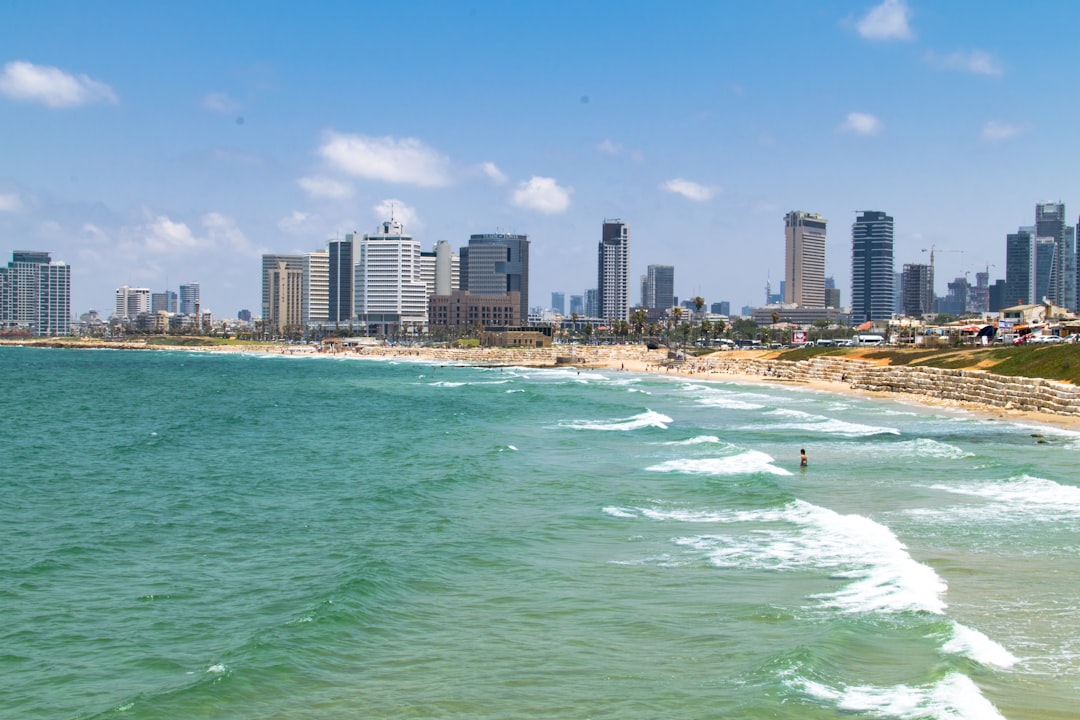
If you are arriving in Tel Aviv with one clear priority—beach time—this is your zone. Hilton Beach and the surrounding Gordon Beach area occupy the northernmost stretch of Tel Aviv’s coast, where the sand is wide, the water is calm, and the vibe is purposefully relaxed.
The appeal is immediate. You can stumble out of your hotel in the morning and be in the Mediterranean within two minutes. The beach here attracts families, serious swimmers, and people who genuinely want to swim rather than be seen swimming. The restaurants and cafes that line the promenade are designed for people in wet hair and flip-flops. Nothing feels pretentious.
The tradeoff is significant: this neighborhood sits at the edge of the city’s gravity. Nightlife is sparse. The restaurant scene is functional rather than innovative. If you are the type of visitor who wants to eat at places locals actually choose, or stay out past midnight regularly, you will feel yourself drawn toward the center. The beach-focused atmosphere, which is this area’s greatest strength, becomes its limitation if that is not actually what you want.
Stay here if: You are taking a beach vacation that happens to include a city, rather than a city vacation that includes a beach. You are traveling with kids. You value calm mornings and early dinners over late-night energy.
Neve Tzedek occupies an unusual position in Tel Aviv: it feels like a neighborhood with actual character in a city of deliberately generic modernism. This is where Tel Aviv lived before it became the sprawling metropolis it is now. The streets are narrow. The buildings are low. Artists, galleries, and small restaurants have quietly accumulated here over decades.
Here is what makes Neve Tzedek genuinely special: it is close enough to everything (the beach is a ten-minute walk, downtown is five minutes) but far enough from the main tourist drag that you will spend evenings surrounded by people who chose to be here for reasons unrelated to their hotel booking. The restaurants are good—not Instagram-famous, but genuinely good. The cafes have regular customers. The vibe is that rare combination of accessible and authentic.
The catch is subtle but real. Neve Tzedek is so appealing that it has become partially tourist-aware. Prices reflect its popularity. Some of the charm comes from knowing you are in a place that has been “discovered.” If you want to feel like you have uncovered a secret, this is not that place anymore—though it remains infinitely better than staying in a hotel where the reception desk is busier than the neighborhood itself.
This neighborhood also requires comfort with a slower pace. There is no roaring nightlife. The energy is evening drinks and dinner, not clubs and dancing.
Stay here if: You want authentic neighborhood experience without sacrificing proximity to the beach and city center. You prefer quality meals and interesting cafes to quantity of nightlife. You are staying 3+ nights and want to feel like a resident rather than a tourist.
This is where the city’s nervous system lives. Dizengoff Street runs through the heart of Tel Aviv, lined with restaurants, bars, shops, and the kind of human density that tells you things are actually happening. The downtown core (sometimes called Rabin Square area) is where museums, theaters, and major nightlife venues cluster. Staying here means you are integrated into Tel Aviv’s main current.
The restaurants are the draw. This is where ambitious chefs open ambitious restaurants. The bar scene actually functions as a social scene—people meet here before moving elsewhere, or simply stay and keep ordering. During the day, the streets have a working city feel: locals conducting actual business, not performing tourism.
The reality check: this is also where most tourists congregate. Your hotel might be listed as “central” in a way that means “surrounded by other tourists.” The noise can be substantial, especially Thursday and Friday nights. The neighborhood lacks the charm of Neve Tzedek and the beach access of Hilton Beach. You are making a specific trade: central location and energy in exchange for neighborhood character and calm.
Also worth knowing: Dizengoff and downtown overlap but are not identical. Dizengoff is more restaurant and bar focused. Downtown is more cultural institution and business focused. Choosing between them is choosing between evening priority and daytime activity.
Stay here if: This is a short trip (2-3 nights) and you want maximum flexibility and energy. You care more about eating well and nightlife than neighborhood aesthetics. You are visiting for work meetings or cultural events.
Florentin is what Neve Tzedek was ten years ago: artsy, slightly rough around the edges, full of people creating things because they wanted to, not because tourists were paying for it. It is south of downtown, deliberately unconcerned with being convenient for most visitors.
The restaurants here are genuinely experimental. The bars are decorated by artists rather than designers. The graffiti is actually art. Walking Florentin’s streets, you see Tel Aviv as it exists for itself, not as a destination for visitors.
The serious limitation: it requires you to be comfortable being further from obvious tourist infrastructure. The beach is a fifteen-minute walk. Downtown is a ten-minute walk. There is no sense that the neighborhood is designed to welcome you. This is a neighborhood for people who actively prefer that.
Many first-time visitors who end up in Florentin by accident fall in love. Others find it inconvenient and wish they had stayed closer to the center. The critical question is whether you want discovery or convenience—Florentin optimizes for one at the expense of the other.
Stay here if: You are staying 4+ nights and want to genuinely experience how creative, younger locals actually live. You are not interested in beach culture or nightclub dancing. You want to eat where locals eat, not where tourists are directed.
These are not the only neighborhoods in Tel Aviv, but they are the ones where most tourists actually want to stay. There are others—Ramat Hasharon for calm residential luxury, Jaffa for historic atmosphere—but they occupy smaller niches.
Also crucial: Tel Aviv is genuinely compact. The distance from northernmost Hilton Beach to southernmost Florentin is roughly four kilometers. A taxi costs five to eight dollars. The bus system is excellent and costs under two dollars. The supposed convenience of staying “central” matters far less than most people think. You are choosing vibe more than geography.
One more thing that matters: season and day of the week. A Thursday night in downtown Dizengoff is mayhem. A Saturday morning in Neve Tzedek is perfect. A summer day at Hilton Beach is packed; September at the same beach is serene. Your neighborhood choice should account for when you are visiting.
Ask yourself three questions honestly:
What am I traveling for? Beach vacation? Food tourism? Nightlife? Gallery and museum visits? The answer narrows your options immediately. Hilton Beach for beach. Dizengoff for nightlife. Neve Tzedek or Florentin for food and authenticity.
How long am I staying? Two nights? Stay central and accept you are partly in the tourist zone. Four nights? You can afford to pick a neighborhood with personality. Anything longer, and you should prioritize vibe over proximity.
Do I want to feel like a tourist or a visitor? This matters more than people admit. A tourist is someone passing through using the city as a backdrop. A visitor is someone trying to understand a place. Your neighborhood should match that intention. Dizengoff for tourism. Neve Tzedek or Florentin for visiting.
Once you have answered these, your choice becomes obvious. Not easy necessarily—Neve Tzedek and Florentin are both compelling—but clear.
The final piece of advice: read about the specific hotels and rental apartments as much as the neighborhoods. Sometimes a great hotel in a mediocre neighborhood beats a mediocre hotel in a perfect one. But if you understand these neighborhoods first, you will know which tradeoffs you are making.
Yes, Neve Tzedek is one of Tel Aviv’s safest neighborhoods for tourists. It is well-lit, populated, and has a strong local community presence. Like any urban area, use standard safety precautions—avoid walking alone very late at night and keep valuables secure—but it is considerably safer than many neighborhoods in comparable cities.
Dizengoff and downtown have the most concentrated nightlife scene, with clubs, bars, and late-night restaurants. Florentin has a different kind of nightlife—smaller venues, live music, artist-run bars—that appeals more to people looking for authentic local scene rather than large dance clubs. Neve Tzedek has excellent evening drinks and dinners but closes earlier.
Hilton Beach is literally beachfront. Neve Tzedek is a ten-minute walk to the beach. Dizengoff/downtown is fifteen to twenty minutes depending on exact location. Florentin is fifteen to twenty minutes as well. None are prohibitively far, but beach access matters if that is important to your daily routine. Hilton Beach is the only option if you want immediate, constant beach access.
Hilton Beach area is purpose-built for families with its calm water, family-friendly restaurants, and relaxed pace. Neve Tzedek is also excellent for families—it has walkable streets, good restaurants, and a neighborhood feel rather than tourist chaos. Dizengoff/downtown can feel overwhelming for young children with crowds and noise. Florentin is less family-oriented in atmosphere and dining scene.
Florentin generally has the most affordable accommodation because it is further from main tourist infrastructure. Dizengoff/downtown is most expensive due to central location and demand. Neve Tzedek falls in the middle—popular enough to command higher prices than Florentin, but less expensive than central downtown. Hilton Beach pricing varies widely depending on exact location and season.