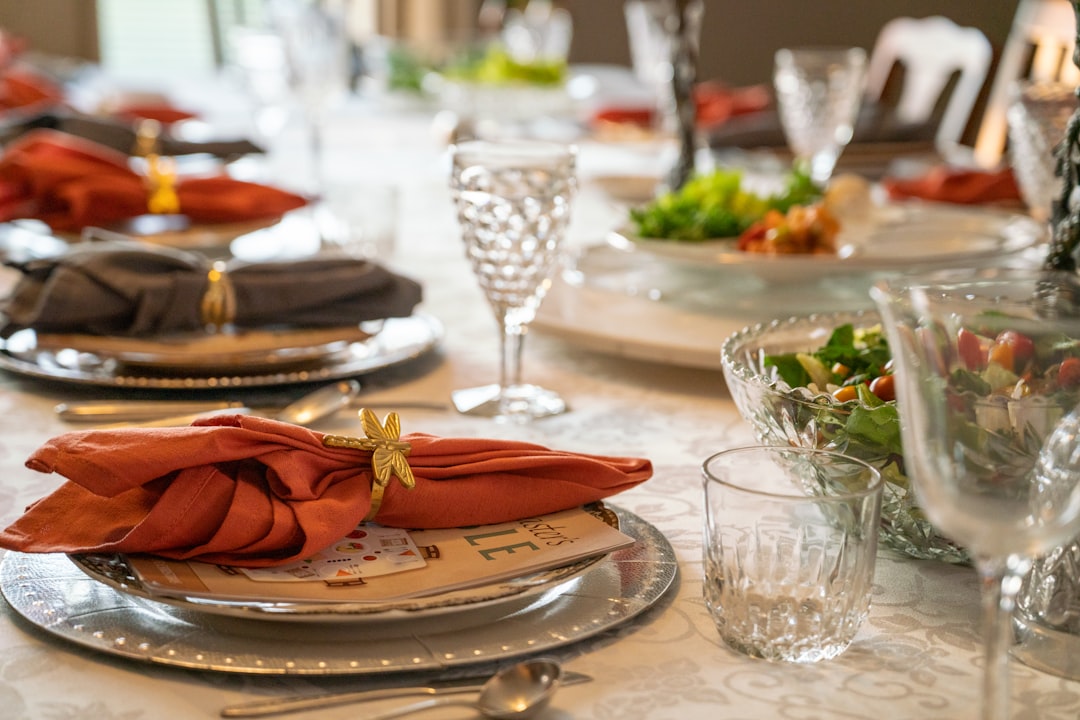
There is a moment on Seder night in Tel Aviv when the whole city seems to exhale at once. Streets empty out. Restaurants shutter their windows. The boardwalk, usually thundering with joggers and inline skaters, goes quiet. And then, from dozens of apartment windows facing the sea, you hear it: the faint melody of “Dayenu” drifting out into the salt air. If you have never experienced Passover in Tel Aviv, you have missed one of the most unexpectedly moving nights in the travel calendar.
But Pesach in Tel Aviv is not just one night. It is a full week of transition, celebration, and a city showing a side of itself that most tourists never get to see. Markets pivot to sell matzah and macaroons. Bakeries post proud signs in their windows: “We are chametz-free.” Families descend from abroad. The beaches fill up by mid-morning. And the apartment rental scene shifts into high gear, because Israelis and Jewish travelers from around the world know what locals have always known: there is no better place to spend Pesach than here.
Pesach week in Tel Aviv operates on its own logic, and understanding that rhythm is the difference between a frustrating trip and a genuinely special one.
The first night of Passover, the Seder, is sacred and almost entirely domestic. Do not expect restaurants to be open, taxis to be plentiful, or any kind of street life. This is the one night you want to either be invited to someone’s Seder or have organized your own in your apartment rental. If you are staying in a fully equipped vacation rental, picking up supplies from the Carmel Market in the days before is one of the great pleasures of a Pesach trip to Tel Aviv. The market transforms during the week before the holiday, piled high with Passover wines, fresh herbs for the Seder plate, and the kind of handmade matzah you will not find shrink-wrapped in a box.
After the first two nights, the city wakes back up with energy. Tel Aviv does not shut down for the entire week. Coffee shops, many restaurants, and virtually the entire beach scene roar back to life. The key distinction: chametz (leavened bread) is legally prohibited in public spaces during Passover in Israel. You will not find a baguette on a café table or a sandwich shop open on the promenade. But Passover-friendly menus, creative mezze spreads, and an abundance of fresh food make it a surprisingly easy week to eat well.
The beaches are the heart of it. Israeli families treat the intermediate days of Pesach, known as Chol HaMoed, as a mini-vacation. Gordon Beach, Frishman, Hilton, all of them fill with barbecues, children, and groups of friends who have nowhere to be and nowhere else they would rather go. For visitors, it is a window into Tel Aviv family life that a summer trip rarely offers.
For more context on timing your visit around events and weather, the seasonal guide to visiting Tel Aviv is worth reading before you book.
This is where the planning either clicks into place or falls apart. Passover is one of the most competitive booking periods in Tel Aviv, and the best vacation rentals go fast, sometimes months in advance. If you are reading this in early spring thinking you will sort something out in a few days, the honest advice is: move quickly.
The question of where to stay for Passover in Tel Aviv depends more on your travel personality than your budget. Each neighborhood has a different Pesach character.
Neve Tzedek is the neighborhood that feels most like a film set during Passover. Its narrow lanes, flowering trees, and whitewashed walls take on an almost dreamlike quality when the city quiets down. It is a short walk to the beach, close enough to the action but buffered from the noise. Boutique apartment rentals here tend to be beautifully designed and feel genuinely residential, which matters when you are spending a week somewhere rather than just sleeping. Read more about why Neve Tzedek draws travelers who want something more than a hotel.
The area around the Carmel Market and Florentin suits travelers who want to feel the city’s pulse even during the holiday. These neighborhoods are densely residential, and during Pesach you get an unfiltered view of Tel Aviv family life: kids on scooters, grandmothers on balconies, the smell of Passover cooking coming from every other window.
For families, the northern neighborhoods, from Tel Aviv Port down toward the Yarkon River, offer more space and easier access to parks and open areas that fill with life during Chol HaMoed. If you are traveling with children, the family vacation rental guide for Tel Aviv lays out the tradeoffs neighborhood by neighborhood.
Whatever area you choose, prioritize a rental with a full kitchen. Passover week is not the time for a studio with a kettle and a microwave. You will want to cook some meals at home, host a small Seder if that is your tradition, and generally have a space that feels like a home rather than a hotel room. The Pesach Tel Aviv vacation experience is fundamentally domestic, and a good kitchen is the difference between thriving and merely surviving the week.
Most first-time visitors brace themselves for a week of dry matzah and hard-boiled eggs. The reality in Tel Aviv is considerably more interesting.
The city’s culinary scene has spent years developing Passover menus that do not feel like culinary punishment. Many of Tel Aviv’s best restaurants close for the holiday, but a significant number stay open with thoughtfully designed Pesach menus. Expect plenty of grilled fish, roasted vegetables, quinoa dishes (widely considered kosher for Passover in Israel), Middle Eastern salads, and desserts built around almond flour and chocolate. A few places even manage excellent Passover cocktail menus.
The outdoor food scene is where things get genuinely fun. During Chol HaMoed, improvised barbecue setups appear on every beach and in every park. There is an unofficial competition happening at all times about whose grill smells better. Join it if you can. Pick up supplies from any of the small markets that stay open during the week, and stake your claim on a patch of sand at Hilton Beach or Gordon Beach before 10am.
For travelers curious about organized Passover programs and hotel Seders, resources like Tourist Israel’s Passover in Tel Aviv guide cover the full landscape of communal events and kosher options across the city.
A few things that experienced Passover travelers learn the hard way, so you do not have to.
Book your rental early. The Tel Aviv vacation rental market during Pesach week operates like a sellout concert. Listings that would be available a week before any other holiday get snapped up two and three months in advance. If Passover falls in April, you want to be searching seriously by January at the latest.
Understand what “kosher for Passover” means for your stay. If you are traveling with observant family members, confirm with your rental host what the kitchen situation is. Most vacation rental apartments in Tel Aviv are not koshered for Passover, and that distinction matters to some guests. It is a conversation worth having before you arrive rather than at the door.
Plan around the first two nights. Build your Pesach Tel Aviv vacation itinerary assuming that the first night is a complete rest day and that the second is largely the same. Everything comes alive from day three. Museums, galleries, the open-air Carmel Market (it reopens mid-week), the nightlife scene in Florentin and the port area, all of it returns by day three with a kind of pent-up energy that makes Tel Aviv during Chol HaMoed one of the best versions of itself.
Transportation is worth thinking through. Sherut shared taxis run even on Seder night. Ride-sharing apps function throughout the holiday. But if you want true flexibility during the week, especially for day trips to Jerusalem or the Dead Sea, renting a car is worth considering. Traffic on the major roads during Chol HaMoed is heavy, a reminder that the entire country is essentially on holiday simultaneously.
Budget travelers will find that where to stay for Passover in Tel Aviv does not have to mean breaking the bank. The under-$100 short-term rental guide for Tel Aviv covers options that hold up well even during peak holiday periods, if you book far enough ahead.
Passover in Tel Aviv rewards the traveler who comes prepared and stays flexible. It is a week when the city turns inward just long enough to show you who it really is, and then throws its windows back open and invites the world in. There is no better time to see both sides of it.
Absolutely. Tel Aviv is arguably the most secular city in Israel, and Passover here is as much a cultural and family celebration as a religious one. You will experience the atmosphere, the beach life, and the unique energy of the holiday without any pressure to observe specific practices. The week is genuinely fun for travelers of any background.
At minimum two to three months before the holiday, and ideally even earlier. Passover is one of the highest-demand travel weeks in Israel, and quality apartments in neighborhoods like Neve Tzedek, the seafront, and Florentin book out quickly. January is a safe target if Passover falls in April.
Yes, better than most people expect. While chametz (leavened bread) is not available in public, many restaurants stay open with creative Passover menus built around fresh produce, grilled proteins, and Middle Eastern dishes. Grocery stores and markets stock Passover-friendly ingredients throughout the week, and the beach barbecue culture fills in any gaps cheerfully.
It depends on what you want from the week. Neve Tzedek offers beauty and quiet charm within walking distance of the beach. The Carmel Market area puts you close to the market action and a lively residential scene. For families, the northern neighborhoods near Tel Aviv Port have more open space. Any central neighborhood within a 15-minute walk of the seafront will serve you well during Pesach week.
Yes. Several hotels and community organizations host public Seder events that welcome tourists, ranging from traditional to contemporary in style. Chabad houses throughout the city run open Seders at no charge. Some tour operators also organize Passover-specific programs combining a Seder with broader holiday itineraries. Checking local event listings a few weeks before you travel will surface the current options.