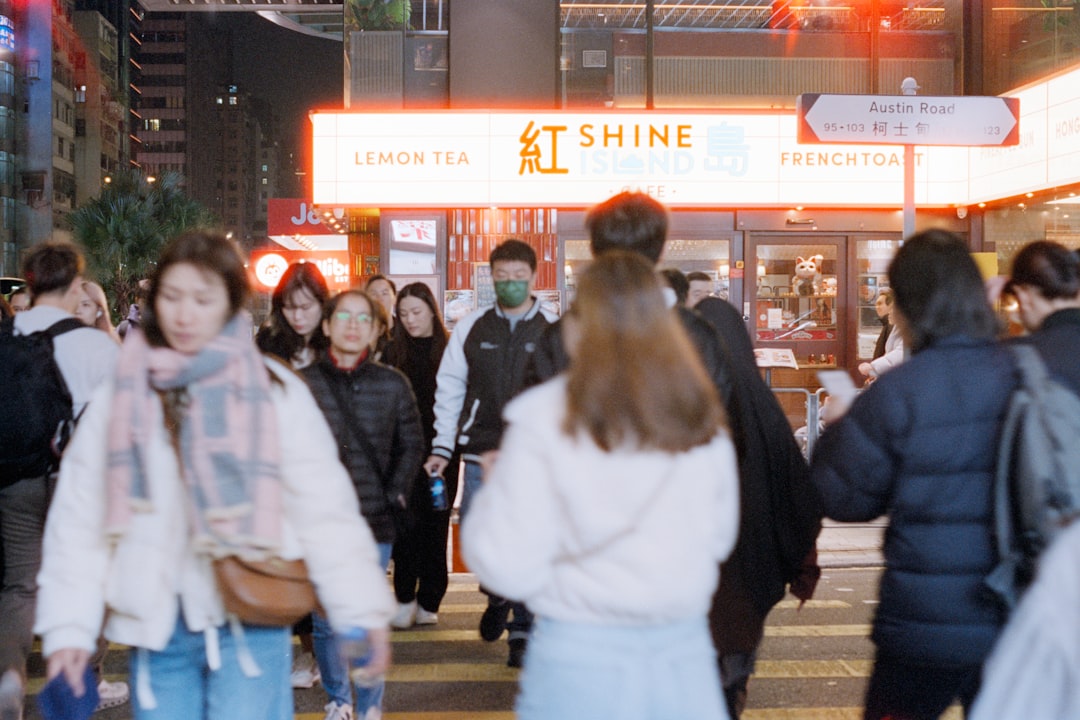
There is a specific feeling you get walking down Dizengoff Tel Aviv on a warm Thursday evening. The coffee shops are still full. A boutique owner is pulling a rack of linen shirts back inside. Someone is eating a sabich on the steps outside a bar that won’t properly get going for another three hours. The street hums at a frequency that other cities spend millions trying to manufacture. Here, it just is.
Dizengoff Street, stretching from the city’s north down through its cultural core, is what most visitors picture when they imagine Tel Aviv. Not the beach, not the market, not the ancient port of Jaffa. This street. It has carried that weight for decades and somehow only grown more relevant with time.
Whether you are here to shop, eat, bar-hop, or simply absorb one of the most genuinely cool urban environments in the Middle East, Dizengoff rewards every type of traveler. But only if you know how to use it.
The first thing to understand about Dizengoff Center is that it does not operate like a normal shopping mall. Opened in 1983 and spread across two buildings connected by a sky bridge over the street, it is a local institution that refuses to behave like one.
You will find the usual mix of fashion and accessories, but the center’s personality comes from its independent tenants. There are record shops tucked between clothing stores. A bookstore that sells English-language fiction alongside Hebrew poetry. A print studio. A repair tailor who has probably been in the same unit since the 1990s. Dizengoff Center is a place where people actually shop for things they need, not just things they saw on a billboard.
The food level deserves its own paragraph. The basement market hall pulls together some of the best quick meals in central Tel Aviv. Hummus that has been made the same way since before most of the tourists visiting today were born. Fresh-squeezed juice. A Georgian bakery turning out khachapuri to an audience that has learned not to visit hungry. On a Friday morning, it fills up like a neighborhood kitchen. Go then if you want to understand why Israelis consider this place their own.
The center also hosts a Friday flea market on its outdoor plaza, where local designers and vintage sellers set up from around 10am. It is small, curated, and far more interesting than anything you would find in a generic tourist market. If you are staying in the area and your apartment has a kitchen, this is also a solid spot to stock up on artisan food products before Shabbat closes everything down.
Most visitors make the mistake of treating Dizengoff Street as a single experience. It is not. It shifts tone and character every few blocks, and understanding that rhythm is what separates a good afternoon from a great one.
The northern stretch, around Dizengoff Square (Kikar Dizengoff), is the classic postcard version. The renovated plaza with its fountain is surrounded by Bauhaus buildings that made Tel Aviv a UNESCO World Heritage Site. Sit at any of the outdoor tables here for an hour and you will see the full cast of city life: retirees reading newspapers, young parents with strollers, students with laptops, tourists with cameras. Nobody is performing. Everyone belongs.
Walking south, the street becomes more commercial. This is where you find international brands alongside Israeli ones, pharmacies, phone shops, and the kind of density that reminds you this is a real city, not a curated experience. Keep going and the character shifts again toward the southern end near King George Street, where the boutiques get smaller, the coffee gets more serious, and the foot traffic skews younger and more fashion-conscious.
For shoppers, the independent Israeli fashion scene is the real draw. Labels like Daniella Lehavi, Ronen Chen, and smaller emerging designers have anchored themselves along or just off Dizengoff for years. The aesthetic tends toward Mediterranean minimalism: clean cuts, natural fabrics, muted tones that look right against a backdrop of white stone and sea light. You will not find this in a department store anywhere else.
A few blocks off the main street, in the grid of quieter roads between Dizengoff and Ben Yehuda, the concept stores and independent galleries multiply. This is a neighborhood worth wandering without a specific destination. The city’s design culture surfaces in unexpected places: a typography shop, a ceramics studio with a workshop in the back, a small gallery showing local photographers. Tel Aviv’s creative class lives and works here, and they have not moved out yet.
If you are planning a full day around the area, the Tel Aviv summer travel guide covers the best months to visit and what to wear, which matters more than you might expect when you are on your feet for six hours in the heat.
The cafe culture on Dizengoff is not incidental. It is the point. Tel Aviv runs on strong coffee and long breakfasts, and this street executes both with an intensity that borders on competitive.
Café Dizengoff, Orna ve-Ella, and the rotating cast of newer spots along the corridor each have their loyalists. The argument over which makes the best eggs is a local sport. What they share is a commitment to the unhurried morning: proper coffee, fresh bread, eggs prepared with enough care to justify sitting for 90 minutes on a Tuesday. Israelis do not eat breakfast quickly. Once you understand this, you stop trying to rush it.
For lunch and dinner, the streets branching off Dizengoff fill in the gaps. Bograshov Street, which intersects near the center of the main drag, is dense with restaurants running from casual shawarma counters to serious modern Israeli kitchens. Gordon Street, one block west, has a handful of places worth a reservation. The rule of thumb here is that a full restaurant on a Monday is a good restaurant. Locals do not have off nights.
The bar scene on and around Dizengoff is where the neighborhood earns its nightlife reputation. The rhythm is later than most visitors expect. Bars fill up properly after 11pm. The crowd is mixed: designers, tech workers, students, and international visitors who figured out that this is where locals actually drink, rather than the tourist-facing spots on the promenade. Craft cocktail bars have multiplied in the last few years, and there are several strong natural wine bars that have found a loyal audience among the city’s food-forward crowd.
The nightlife here connects naturally to what you will find across the city’s other high-energy neighborhoods. The Tel Aviv nightlife neighborhood guide breaks down how Dizengoff compares to Florentin and the southern bar scene if you are trying to plan your evenings across multiple nights.
The case for staying near Dizengoff rather than on the beach or in Florentin comes down to one thing: access. You are within a 15-minute walk of the beach, a 10-minute walk from Carmel Market, and you wake up in the middle of the city’s most walkable, most alive neighborhood. The beach is great. Waking up in a Dizengoff apartment and walking to coffee in 90 seconds is better.
Dizengoff apartments in Tel Aviv tend to attract travelers who have been here before. The first-timers often go for the seafront. The second and third-time visitors, the ones who understand what the city actually is, rent a flat on one of the tree-lined streets between Dizengoff and Ben Yehuda and wonder why they ever stayed anywhere else.
The apartment style in this area reflects the neighborhood’s Bauhaus DNA. Many buildings date from the 1930s and 1940s, with the rounded balconies, horizontal windows, and rational layouts that define the White City aesthetic. Renovated interiors inside these shells are a particular Tel Aviv specialty: original structure, thoroughly modern inside. The result is something that feels rooted in a specific place and time rather than interchangeable with an apartment in any other global city. The design philosophy behind Tel Aviv’s modern apartments explains this blend of Bauhaus and Mediterranean influence in depth if you want to understand what you are looking at.
For travelers working with a tighter budget, the area around Dizengoff still has options. The premium apartments are priced to match the location, but smaller studios in the surrounding streets can represent solid value given how much you save by being able to walk everywhere. Knowing where to look makes a genuine difference, and a broader breakdown of affordable short-term rentals in Tel Aviv can help frame your options before you commit.
What the neighborhood cannot give you, no apartment can compensate for: the particular pleasure of leaving your building and stepping directly into a city that is already awake, already interesting, already doing something worth watching. That is what Dizengoff has always sold. In 2026, it is still delivering.
Dizengoff Street offers a full day’s worth of activity without needing to leave the neighborhood. In the morning, settle into one of the beloved cafes near the square for a long Israeli breakfast. Midday is ideal for shopping, whether at Dizengoff Center or the independent boutiques along the street and its side roads. Evenings belong to the restaurants and bars, which hit their stride well after 10pm. The Friday outdoor market on the Dizengoff Center plaza is also a highlight if your visit overlaps with it.
Dizengoff Center mixes mainstream Israeli and international fashion brands with a strong contingent of independent tenants: bookshops, record stores, local designers, and a well-regarded basement food hall. It functions more like a neighborhood institution than a typical mall. The Friday flea market on the outdoor plaza adds a curated vintage and local-designer element that makes it worth visiting even if you are not a traditional mall shopper.
The bar scene around Dizengoff is genuinely local-facing, which is exactly why it is worth seeking out. The streets branching off the main drag host a mix of craft cocktail bars, natural wine spots, and relaxed neighborhood bars where the crowd is mostly Tel Avivians rather than tourists. Arrive after 10:30pm if you want the atmosphere to be properly alive. The area rewards wandering rather than following a specific list, since new spots open regularly and locals tend to migrate toward whatever is newest and most interesting.
Dizengoff is one of the best areas in Tel Aviv for travelers who want to be embedded in the city rather than adjacent to it. You are within walking distance of the beach, Carmel Market, and most of central Tel Aviv’s main attractions. The neighborhood has excellent cafes, restaurants, and nightlife right outside your door. Apartments here tend to sit inside Bauhaus-era buildings with renovated interiors, which gives you a genuinely local experience that hotels rarely replicate.
From the center of Dizengoff Street, the Mediterranean beaches are roughly a 15-minute walk west. The walk itself takes you through pleasant residential streets and the Ben Yehuda corridor, which has its own cafes and shops worth noting. If you are staying in a Dizengoff apartment, the beach is absolutely within easy daily reach, meaning you get the best of both worlds: neighborhood living and coastal access.