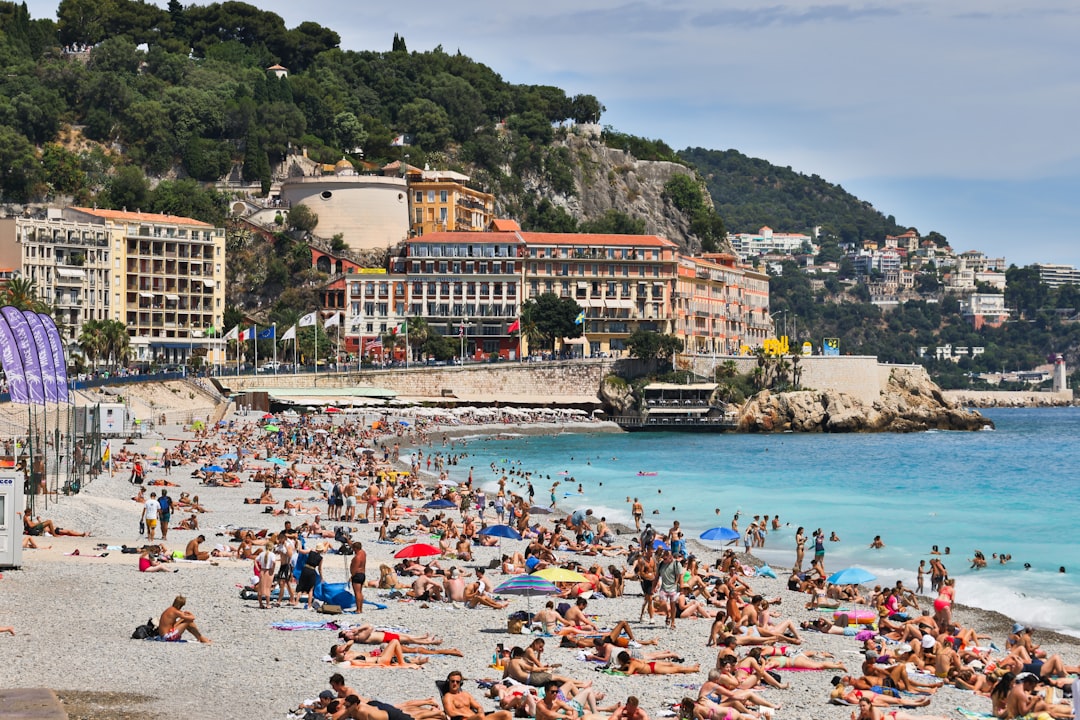
You have been thinking about Tel Aviv for months. The beach photos, the rooftop bars, the golden light over Jaffa at dusk. And now you are trying to answer the question every serious traveler wrestles with: is this actually the best time to visit Tel Aviv, or are you about to walk straight into a wall of Mediterranean heat with no plan?
Here is the honest answer: summer in Tel Aviv is extraordinary and demanding in equal measure. The city does not slow down in July and August. If anything, it accelerates. But the heat is real, the crowds are real, and the rental market tightens fast. What separates a transcendent Tel Aviv summer from an exhausting one is almost entirely preparation.
This guide gives you everything you need: the weather realities month by month, the smarter windows within the season, what to fill your bag with, and how the accommodation market actually behaves when half of Europe and Israel’s diaspora decide they all want the same week.
The Mediterranean does not do summers halfway. From late June through early September, Tel Aviv runs hot, humid, and relentlessly sunny. Temperatures sit between 28°C and 34°C (82°F to 93°F) on most days, but the humidity is the part the weather apps underplay. Coming from a dry climate, you will feel it within hours. Coming from somewhere like Houston or Singapore, you will feel oddly at home.
The saving grace is the sea breeze. Tel Aviv faces the Mediterranean directly, and by late afternoon a wind called the “Sharav” occasionally gives way to cooler coastal air rolling in off the water. Mornings before 9am are genuinely pleasant. Evenings from 7pm onward become the city’s living room: outdoor restaurants fill, the promenade floods with people, and the beach bars light up.
Rain in summer? Almost zero. Tel Aviv receives less than 5mm of rainfall across the entire June-to-August stretch. You are not packing an umbrella.
June is the sleeper month. Temperatures are warm but not brutal, humidity is lower than in July and August, and the city has not yet hit peak tourist saturation. Locals consider it the beginning of their own summer, so the energy is festive without the overcrowding. If you have flexibility, late June is arguably the best single window within the summer season.
July and August are full summer: maximum heat, maximum crowd, maximum energy. The beaches are packed by 9am. Accommodation prices peak. Tel Aviv Pride, which now spans a full week in late June, carries its energy into July. Outdoor concerts, beach festivals, and late-night markets run constantly. The city genuinely never sleeps, and at 2am on a Thursday you will believe it.
Early September begins the gentle descent. Heat persists but the density thins. European tourists head home, Israeli families return to school schedules, and you suddenly find yourself with more space on the beach and slightly more negotiating room on accommodation. The water is still warm enough for swimming well into October.
This is the question most travelers land on after they decide summer is their window. The honest answer is that the difference is smaller than you expect, but it is real.
July carries the season’s momentum without quite hitting its ceiling. The first two weeks of July, before Israeli school holidays fully kick in at the end of the month, offer peak summer atmosphere with marginally lower domestic tourism pressure. International visitors are already here in force, but the internal Israeli travel surge that fills every coastal property has not peaked yet.
August is peak of peak. The last week of July through the first two weeks of August sees Israeli families on school holiday, diaspora returnees flying in, and European summer vacationers all converging simultaneously. If you want the electric, slightly chaotic, never-a-quiet-moment version of Tel Aviv, this is your window. If you want space to breathe and think, you will need to build it deliberately into your day.
One practical consideration that surprises first-timers: accommodation availability in August tightens dramatically by March. By 2026, the short-term rental market in Tel Aviv’s most desirable neighborhoods, from the beachfront stretch near Gordon Beach to the cobblestone lanes of Neve Tzedek, fills months in advance for peak August dates. If you are reading this in spring and planning an August trip, do not wait another week to book.
For a deep dive into how neighborhoods compare for summer stays, this guide to Tel Aviv neighborhoods maps out the personality of each area so you can match your accommodation to how you actually want to spend your days.
Packing for a Tel Aviv summer is less about volume and more about thinking clearly about the rhythm of the day. You are packing for three distinct environments: the beach, the city street, and the evening out. Each has its own requirements, and the mistake most first-timers make is over-packing for one and under-packing for the others.
For the beach and daytime heat: lightweight linen or moisture-wicking fabrics are non-negotiable. Cotton works but holds sweat. The Israelis who live here have largely moved to linen shirts and loose trousers for a reason. Pack a proper sun hat with a brim, not a baseball cap. SPF 50 sunscreen is available in Tel Aviv pharmacies but costs significantly more than at home, so bring a full-size bottle. Reef-safe formulas are increasingly expected at popular beach access points.
Bring two swimsuits minimum if you plan to beach every day. A wet swimsuit in Tel Aviv humidity does not dry the way you hope. Flip flops for the beach, a pair of comfortable walking sandals for the city, and one pair of closed shoes for nightlife venues that have stricter door policies. That covers your footwear entirely.
For the city streets: Tel Aviv has a relaxed but discernible aesthetic. Nobody is particularly dressed up, but people are put-together in that effortless Mediterranean way. Sundresses, light trousers, linen shorts. Modest clothing is worth packing if you plan day trips to Jaffa’s mosques or any religious sites, where covered shoulders and knees are expected.
For evenings: the city cools to the low-to-mid 20s°C (low 70s°F) on most summer nights, and on some nights a sea breeze makes a light layer welcome. Pack one cardigan or a thin jacket. You will use it more than you expect.
Other items that earn their weight: a reusable water bottle (hydration is serious business here), a portable phone charger for long beach days and late nights, and a small crossbody bag for Carmel Market and the flea market in Jaffa, where your hands should be free. If you are staying in an apartment rental, a compact power strip is useful, since older Tel Aviv apartments sometimes run short on outlets.
For travelers who want to explore the Carmel Market neighborhood as a base, the central location means you can walk almost everywhere, which cuts down on your shoe requirements considerably and eliminates the need to over-plan transport.
Summer is the highest-demand season for Tel Aviv vacation rentals, and pricing reflects that without apology. A well-located one-bedroom apartment near the beach that runs $150 per night in November will list at $250 to $300 per night in August 2026. Two-bedroom properties in Neve Tzedek or the port area regularly exceed $350 per night for peak weeks.
That is not a reason to avoid summer. It is a reason to book early and be strategic about which weeks you choose. The third and fourth weeks of August carry the highest premiums. The first two weeks of July and the first week of September offer comparable weather and experience at meaningfully lower prices.
If budget is a genuine constraint, it is worth knowing that Tel Aviv has solid options under the $100 per night threshold, including well-reviewed apartments in neighborhoods just slightly inland from the beach. Budget short-term rentals in Tel Aviv do exist in summer, but they require booking 3 to 4 months in advance to secure the best options before they disappear.