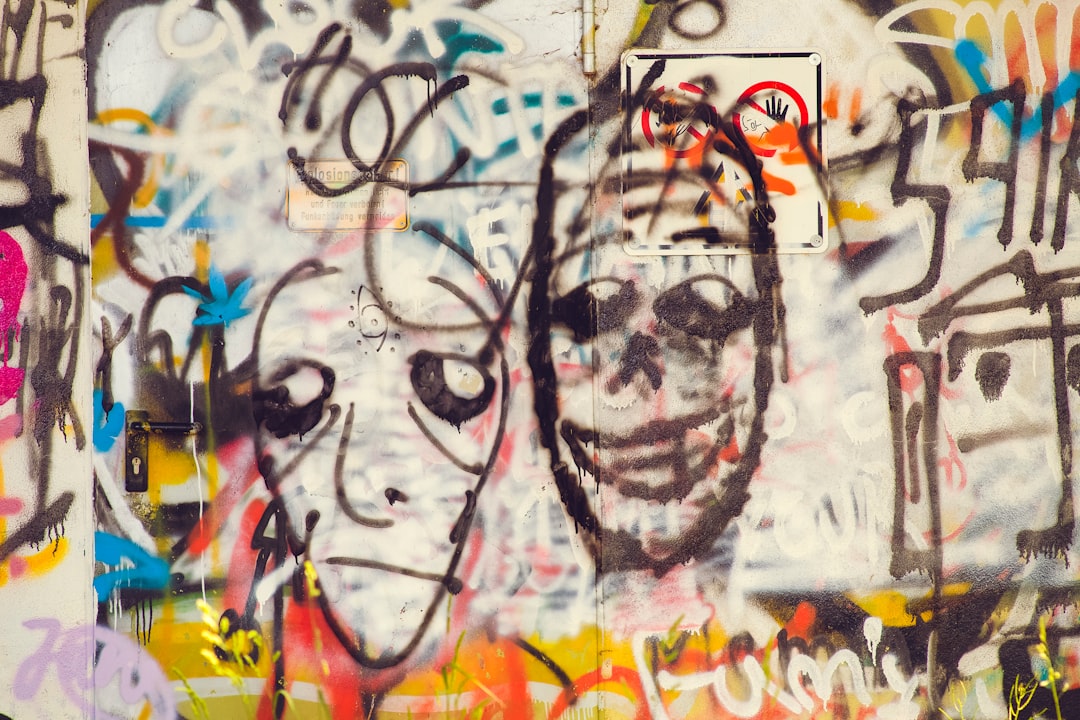
There is a mural on the corner of Florentin and Vital Streets that changes every few months. One week it is a hyperrealistic face with kaleidoscope eyes, the next it is a political message stenciled in three languages. Nobody commissions it. Nobody removes it. That cycle of creation and reinvention, quiet and constant, is the best one-sentence description of what Florentin Tel Aviv actually is.
Florentin sits just south of the Carmel Market, technically part of South Tel Aviv, but spiritually it belongs to a different city entirely. While the glitzy tower hotels stack up along the beach to the north, Florentin keeps its crumbling Ottoman-era buildings, its mismatched tiles, its tangle of motorcycles parked outside vegan cafés. It was a working-class Greek and Turkish immigrant neighborhood for most of the 20th century. Then the artists arrived. Then the students. Then, inevitably, the Instagram photographers. Yet somehow, in 2026, Florentin has held onto its edge.
If you are the kind of traveler who picks accommodation based on what is walkable at midnight, this neighborhood deserves your full attention.
Ask ten people and you will get ten answers, but a few themes keep surfacing. The first is the street art. The Florentin street art neighborhood has earned its reputation honestly: this is not a curated outdoor gallery with QR codes and velvet ropes. It is raw, layered, and sometimes confrontational. Paste-ups overlap with spray-work, which overlaps with hand-painted murals commissioned by the few building owners who actively want their walls used. Walking the neighborhood on a slow morning, when the streets are still quiet and the light hits the painted surfaces at an angle, feels like reading a city’s diary.
The second thing Florentin is known for is its food and nightlife, which operate on a schedule that would exhaust most places. The neighborhood does not really get going until after 10 p.m. By midnight, the bars along Florentin Street and the surrounding blocks are packed. By 2 a.m., the falafel spots and the shakshuka joints that cater to the post-bar crowd are doing their best business of the day. Sleep is optional. The energy is not.
Third: the creative community. Florentin has been home to designers, tattoo artists, musicians, photographers, and sculptors long enough that the ecosystem has genuine depth. The studios are real studios, not Instagram props. The galleries show work that challenges rather than decorates. The clothing designers working out of the neighborhood’s converted workshops are making things you will not find anywhere else. This is what separates Florentin from neighborhoods that merely look alternative.
Florentin Street itself is the main artery: long, slightly chaotic, dotted with coffee shops that double as community centers and bars that triple as art spaces. Vital Street runs perpendicular and is where some of the neighborhood’s best murals concentrate. Abarbanel Street has a more relaxed pace, with a cluster of plant-filled restaurants that spill onto the pavement in the evenings.
The Levinsky Market, just a short walk north, is worth a morning detour. It specializes in spices, dried fruits, and imported delicacies, and the street-food options around it are extraordinary. Combine it with a visit to the nearby Carmel Market and you have a full half-day of sensory overload in the best possible way.
One thing worth knowing: Florentin’s blocks are short and easy to navigate on foot. The entire core neighborhood is walkable in 20 minutes end to end, which means you can genuinely explore without a plan. Get lost. Follow the murals. That is the correct strategy here.
The food scene here punches well above its weight. A few spots have anchored the neighborhood for years and remain genuinely excellent.
Florentin House is an institution: a bar and restaurant that has survived countless trend cycles by just being good. The food is Middle Eastern-influenced, the drinks are strong, and the courtyard fills up fast on warm evenings. Arrive early or resign yourself to waiting.
For coffee, the neighborhood has several specialty roasters operating out of spaces that look more like art installations than cafés. The baristas know what they are doing, and the WiFi is fast, which matters when half the clientele is working remotely. Tel Aviv has become a serious destination for digital nomads and remote workers in 2026, and Florentin is one of the neighborhoods where that lifestyle integrates most naturally into daily life. If that describes your situation, the digital nomad guide to Tel Aviv covers the full picture.
The bar scene splits into two rough categories: the music-focused venues that book live acts and DJs, and the smaller, more intimate spots where the point is conversation and a good pour. Both are worth your time depending on the night. On weekends, the streets between venues become part of the party, with people moving between spots and gathering on stoops in a way that feels more like a block party than a nightlife district.
Late-night eating options are a Florentin specialty. Several spots operate specifically for the post-midnight crowd: the falafel is fresh, the hummus is made that morning, and the clientele ranges from artists coming off a studio session to clubbers who lost track of time. The food is honest and the prices are still reasonable, which is increasingly rare in Tel Aviv’s more tourist-heavy areas.
This is not a hotel neighborhood, and that is entirely to its credit. There are no international chains in Florentin, no lobby bars serving twelve-dollar smoothies, no uniformed doormen. The accommodation here is apartments: lived-in, characterful, often with artwork on the walls that the owner actually chose because they liked it.
Staying in one of the apartments in Florentin Tel Aviv changes the experience in a specific way. You wake up and walk to the coffee shop on the corner, the one where the owner knows the regulars by name. You notice the mural that appeared overnight on the building across the street. You hear the neighborhood come alive in the evening from your own terrace, if you are lucky enough to have one. You are not observing Florentin from the outside; you are briefly part of it.
When it comes to where to stay in Florentin, the key variables are: proximity to the action (you want to be in the heart of the grid, not on the edges where it gets quieter), outdoor space (a balcony or rooftop access transforms warm evenings), and a host or management company that knows the neighborhood and can point you toward the right places. Booking directly with a dedicated short-term rental company rather than through a large platform often gets you better rates and a more responsive experience. The logic behind that is explained well in this comparison of Airbnb versus direct rental booking.
Budget-conscious travelers should know that Florentin is generally more affordable than the beachfront neighborhoods or the White City. Short-term rentals in the neighborhood tend to offer significantly more space and character per dollar than the equivalent spend closer to the sea.
Florentin rewards curiosity and penalizes a rigid itinerary. If your ideal day involves a plan with time slots, this is not your neighborhood. If your ideal day involves finding a coffee shop, talking to the person at the next table for two hours, stumbling into a pop-up gallery, and ending up at a bar you discovered by following the sound of a good bass line, Florentin is going to feel like it was designed specifically for you.
The neighborhood skews young but is genuinely mixed. Long-time residents, students, artists in their 40s and 50s, and international travelers all coexist without the friction that more gentrified neighborhoods sometimes produce. There is an authenticity here that visitors pick up on immediately: a sense that the culture did not arrive recently for the tourists but grew slowly from actual people living their lives.
For travelers visiting Tel Aviv in warmer months, the outdoor life of Florentin is one of the main draws: outdoor seating spills everywhere, rooftop parties become a weekly fixture, and the proximity to the beach (about 20 minutes on foot or a quick bike ride) means you can move between the creative energy of the neighborhood and the Mediterranean in a single afternoon. The Tel Aviv summer travel guide has more on timing your visit to make the most of the season.
There is a reason photographers and visual storytellers keep ending up in Florentin. Every block offers something worth pointing a lens at: the murals, yes, but also the light on old plaster walls in the late afternoon, the produce stacked outside a corner grocery, the faces of people who have somewhere interesting to be. The neighborhood is photogenic in a way that does not feel staged, which is the rarest quality in 2026, when every “authentic” destination is performing authenticity for an audience.
Florentin is still doing it for real. Come while that is still true.
Florentin is known primarily for its street art, its vibrant nightlife, and its deeply rooted creative community. It is South Tel Aviv’s most artistically active neighborhood, with a concentration of galleries, independent designers, musicians, and muralists that has built up organically over decades. It also has some of the best late-night food in the city.
Yes. Florentin is an active neighborhood at night, which actually contributes to a sense of safety: the streets are busy well past midnight, particularly on weekends. Like any urban neighborhood, basic awareness is sensible, but the area is well-trafficked and has a lively local presence at all hours.
Florentin is roughly 20 to 25 minutes on foot from the nearest beach access points, or about 10 minutes by bicycle. Many visitors staying in the neighborhood use Tel Aviv’s bike-share system to make the trip easily. It is close enough to enjoy the beach daily while still being in a distinctly different, less tourist-saturated part of the city.
Booking directly through a local short-term rental management company that specializes in Tel Aviv is generally the best approach. You get better access to the actual character of available apartments, more responsive support, and often better pricing than large global platforms. Look for properties that describe balcony or rooftop access, as outdoor space significantly elevates the Florentin experience.
Florentin’s street art is raw and constantly evolving, not a curated outdoor museum. The best concentrations are along Florentin Street, Vital Street, and the surrounding blocks. Paste-ups, stencils, spray murals, and political work all coexist on the same walls. The best time to explore is on a quiet morning when the light is good and the streets are calm enough to stop and actually look.